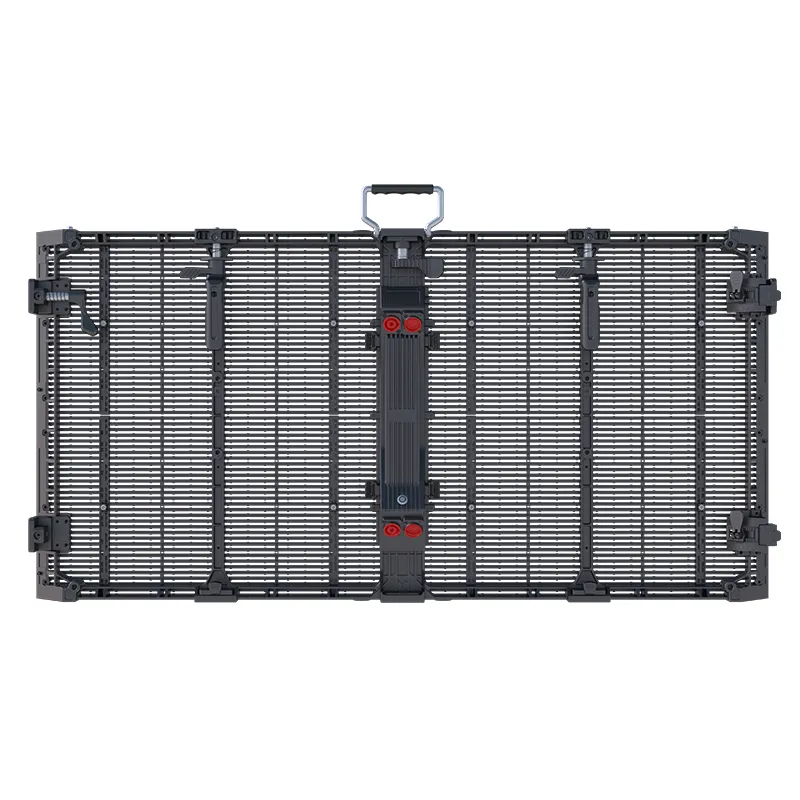
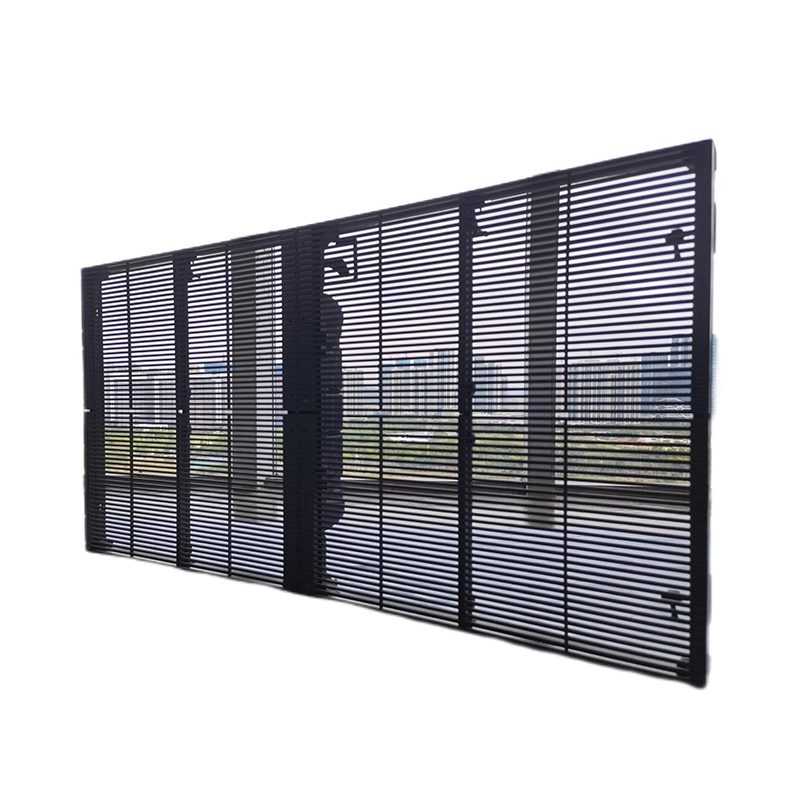
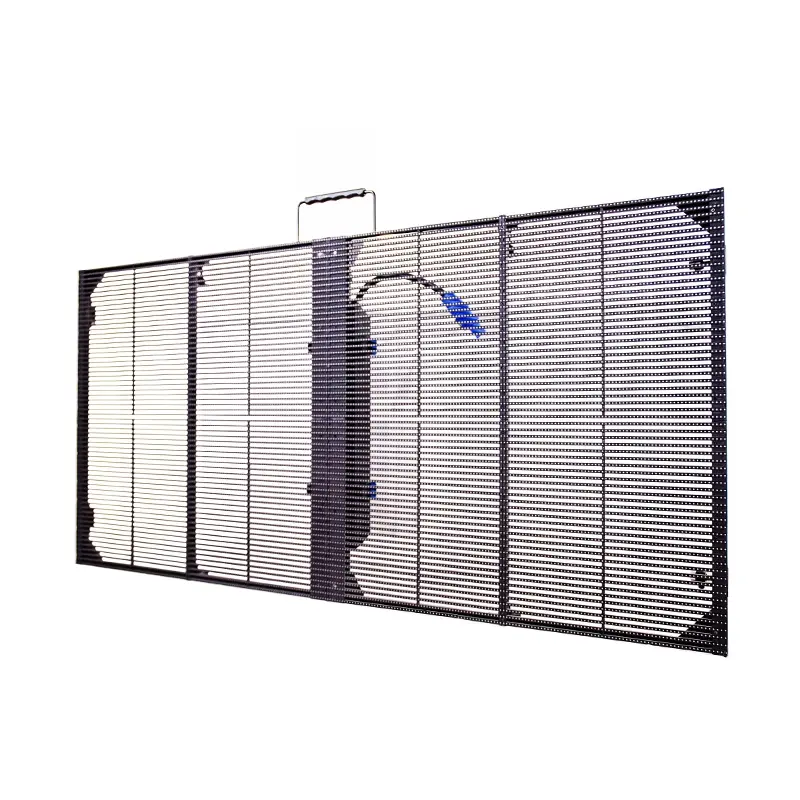
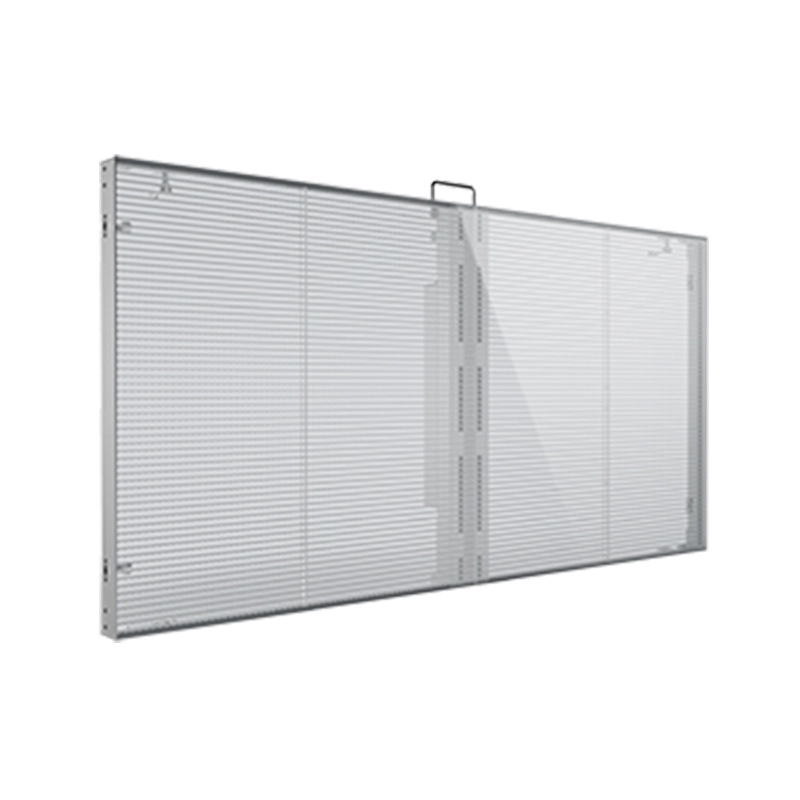
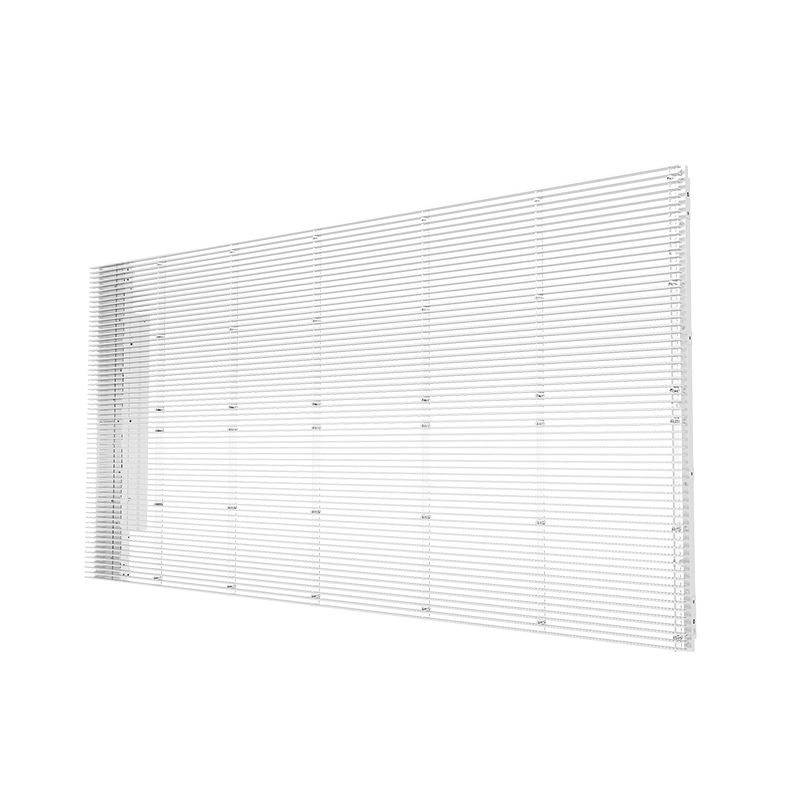
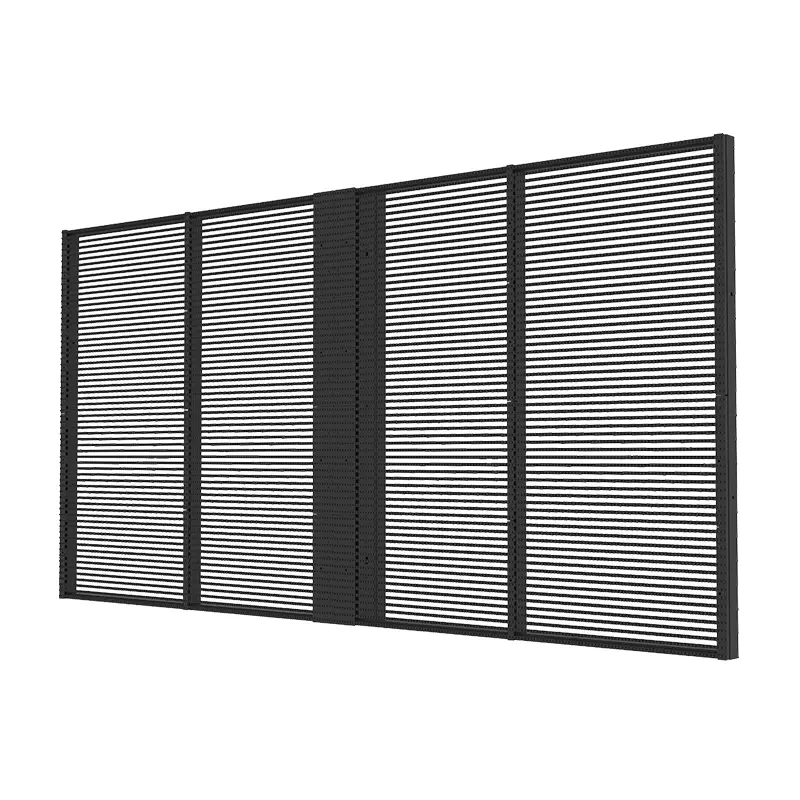
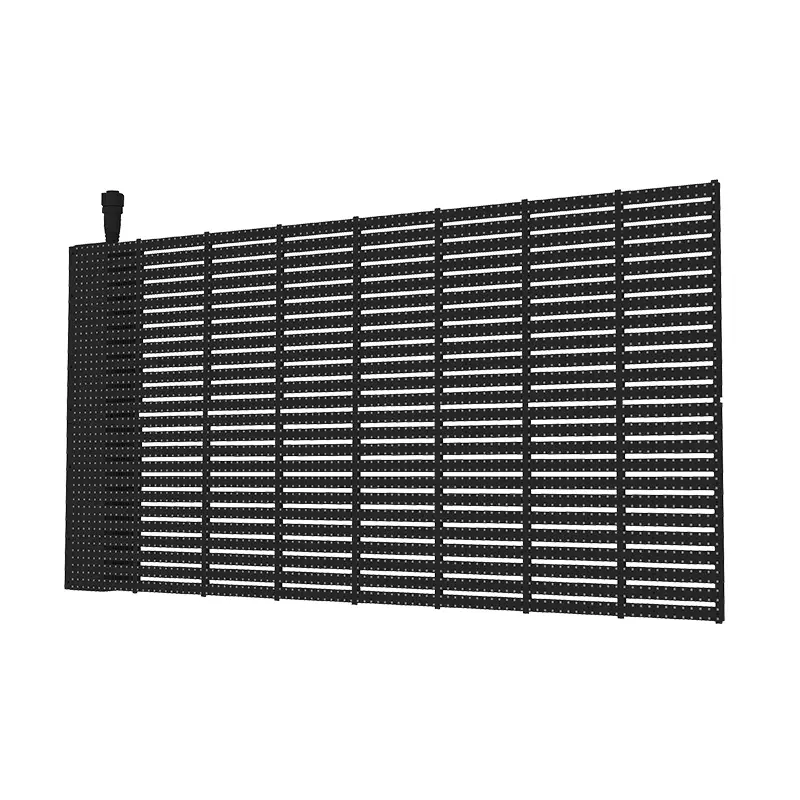
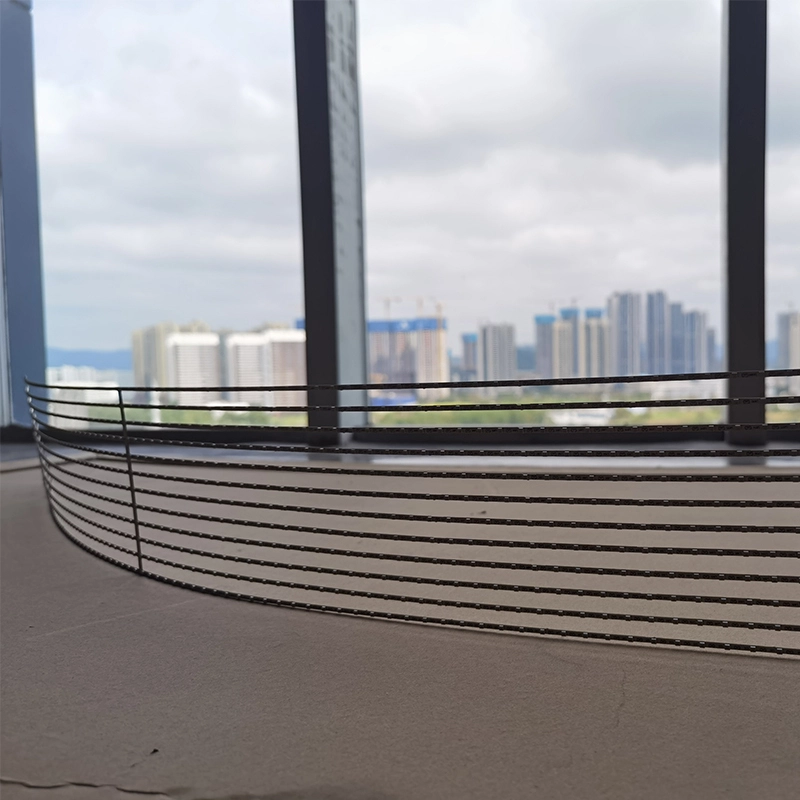
If you are interested in buying LED advertising screens, you should know that this is one of the most effective ways to reach your audience. In addition to the brightness and image quality they emit, their internal and external use primarily depends on their resistance and power consumption characteristics. Generally, indoor screens require better resolution. For this reason, we sometimes don't know where to place our new LED screens to be as effective as possible. Where should indoor LED displays be placed?
Positioning of Indoor LED Displays
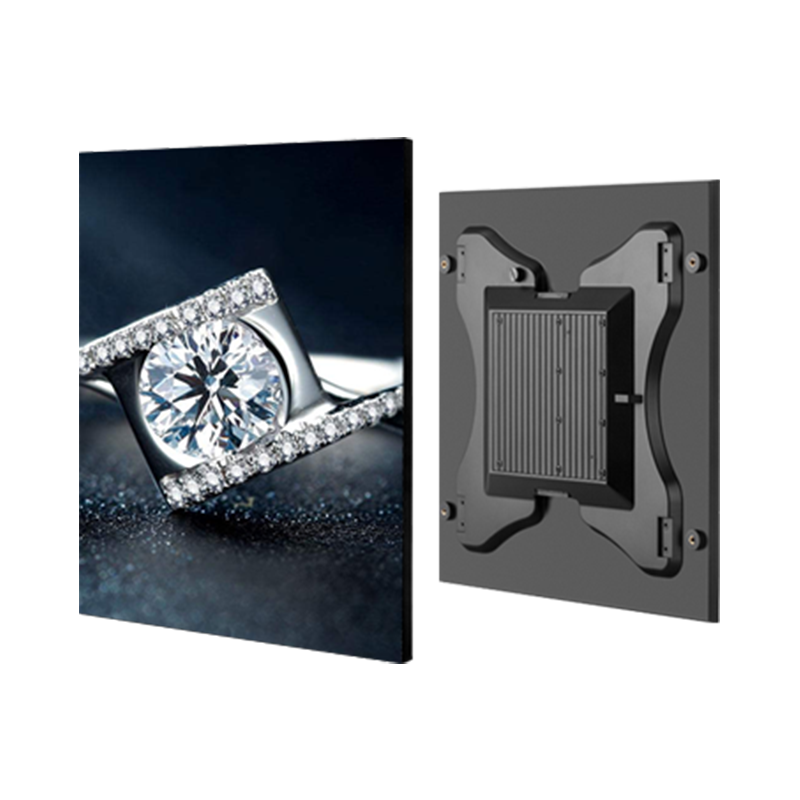
Indoors, LED displays are usually used to promote sales in shop windows and must have high resolution at close range. Such screens can be customized for decoration on the back. For example, you can refer to a business model that is conducive to conveying promotional and discount information to potential customers. Do you want to know some tips on placing your indoor LED screen in the most strategic location?
Where Should Indoor LED Displays Be Placed?
Where do your customers spend the most time? The answer to this question will help you place the screen for maximum efficiency, as it will affect customer presence for longer. For example, this can be in cash registers or in waiting rooms of various hospitals and clinics with wall screens indoor.
Screen height
It is recommended not to place the screen too high or too low. How to know the ideal height? Indoors, it is ideal to place it at eye level, at the same level as your best product.
Brightness
The brightness of the LED display must be adjusted, not just to comply with default levels. Brightness depends on the lighting of the room where the screen is placed. Emphasizing this point is important, but it is not about dazzling your customers all the time, so always test brightness levels with lighting where you will place it and under natural daylight to specify levels. With indoor LED wall screen, you can also program brightness level adjustment according to the time of day, so you don't have to do it manually every day.
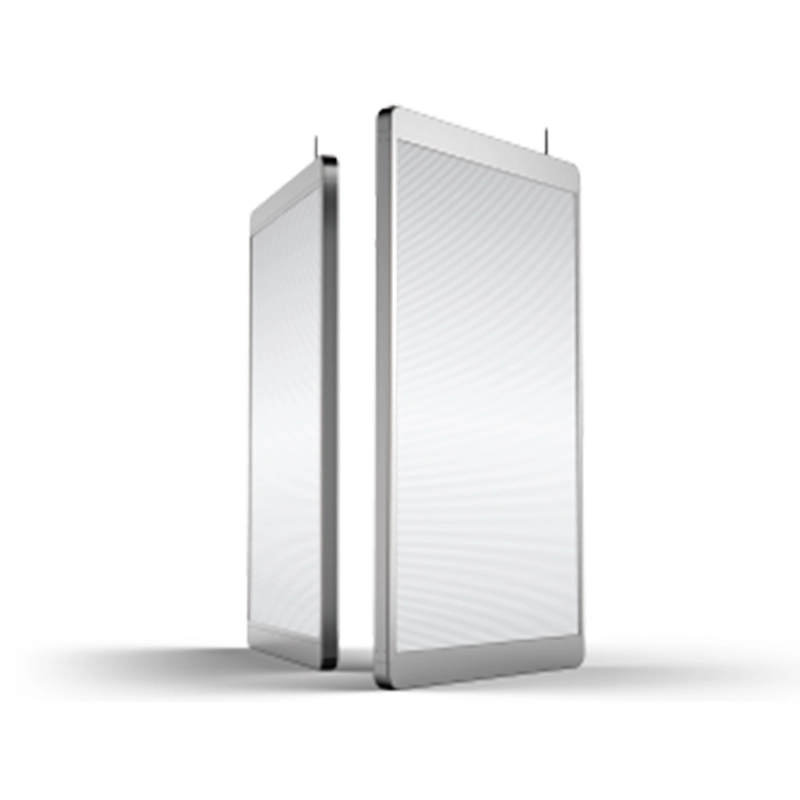
Vertical or horizontal? Although we think of horizontal screens when we think of screens, standalone LED displays are also a good option. This type of screen has many advantages because it can be moved, so you can move it according to your convenience and place it in narrow spaces.
What is your goal? Before choosing where to place your indoor LED display, consider what kind of content you want to play. Do you want to promote your brand? Do you want to promote special offers? The objective will determine the effectiveness of the content. Promote your sales at the entrance to attract more customers, promote special promotions near the box and promote the products found in the shop window to passersby.
Viewing Distance and Pixel Pitch Selection
The optimal placement of an indoor LED wall screen must account for the average viewing distance of the target audience. Pixel pitch (P值) directly determines the minimum distance at which the image appears seamless and sharp.
Formula: Minimum viewing distance (meters) ≈ Pixel pitch (mm). For example, a P2.5 screen is best viewed from ≥2.5m.
For close viewing (e.g., retail product displays, info kiosks, corporate lobbies): choose P1.2 – P2.5 to ensure text and fine details are crisp.
For medium-distance viewing (e.g., conference rooms, showrooms, airport halls): P2.5 – P4 balances cost and clarity.
For large-format indoor LED wall screen (e.g., atrium displays, trade show booths, indoor sports courts): P4 – P6 is sufficient, as viewers are typically 5–15 meters away.
Procurement tip: Avoid overspecifying pixel pitch. Selecting an unnecessarily small pitch increases upfront costs and demands more processing power without visible benefit if the viewing distance is large.
Environmental Factors: Lighting, Ventilation, and Maintenance Access
Beyond positioning, three environmental factors critically affect display performance and total cost of ownership.
Lighting
Measure ambient light levels at the installation site. For bright lobbies with large windows, choose ≥1500 nits brightness. For dim environments like control rooms or home theaters, 800–1200 nits is sufficient to prevent eye strain.
Use screens with automatic brightness adjustment (sensor-based) to balance visibility and energy consumption throughout the day.
Ventilation & Heat Dissipation
Indoor LED wall screen generate heat. Enclosed or recessed installations require active cooling (fans or HVAC ducts). Open‑frame or surface‑mounted displays in ventilated spaces may rely on natural convection.
Ensure at least 150–200mm clearance around the display for air circulation if passive cooling is used.
Maintenance Access
Front‑service design allows technicians to replace modules without removing the display from the wall – essential for tight spaces or displays mounted above walkways.
Rear‑service design requires a dedicated access corridor (≥600mm depth) behind the screen. Plan this space during building layout.
For ceiling‑suspended or high‑wall displays, include catwalks or scissor lift access in the maintenance plan.
Neglecting these factors leads to premature LED failure, voided warranties, and unplanned downtime – all costly for any organization.