Proper installation is the difference between a stunning visual display and a costly underperformer. For transparent LED screens — where lightness, transparency, and structural integration matter most — choosing the right mounting method is critical.
As a digital display company with Olympic and World Expo project experience, ITFLED understands that installation precision directly impacts visual impact. This guide walks through the three primary installation methods — wall-mounted, ground-supported, and flown — and how to select the right fit for your project.
How to Choose the Right Installation Method
Before reviewing each method, consider three factors:
| Factor | Key Question |
|---|
| Venue | Permanent or temporary? Indoor or outdoor? |
| Screen Type | Thin-film glass attachment, outdoor mesh, or rental stage screen? |
| Viewing Experience | What audience distance and angle need to be served? |
Use the table below as a quick reference:
| Project Type | Recommended Installation | ITFLED Series |
|---|
| Retail storefront / Glass curtain wall | Wall-Mounted (direct glass attachment) | Film Series |
| Outdoor building facade / Landmark | Flown / Suspended | Curtain Series |
| Stage rental / Concert / Exhibition | Ground-Supported or Flown | Ice Series |
| Indoor trade show / Temporary event | Ground-Supported | Ice Series |
Wall-Mounted Installation
Best for: Permanent indoor installations where floor space is limited and a clean, integrated look is desired.
Advantages
Space-saving: Ideal for venues where floor space is at a premium
Stability: Minimal movement once secured
Aesthetics: Sleek, flush appearance that blends with architecture
Considerations
Wall structural strength must support the screen weight
Limited flexibility for repositioning
Requires careful cable concealment
For Transparent Screens
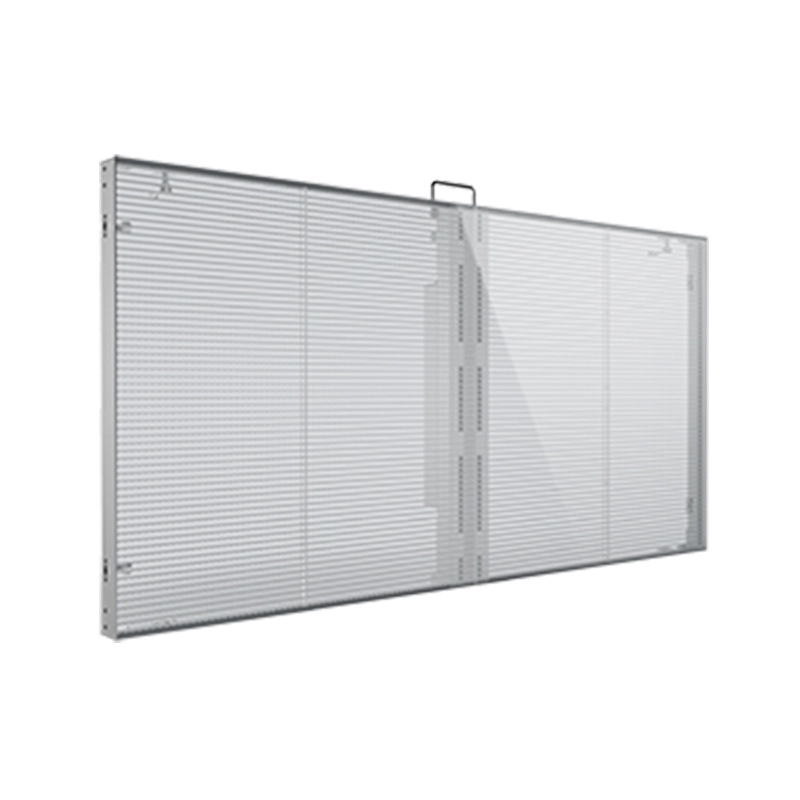
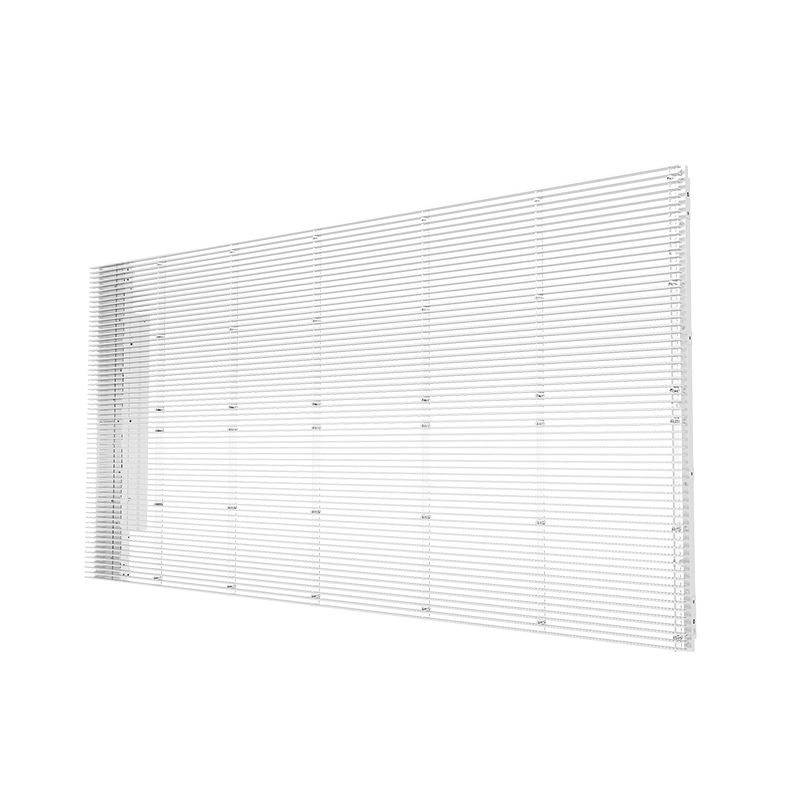
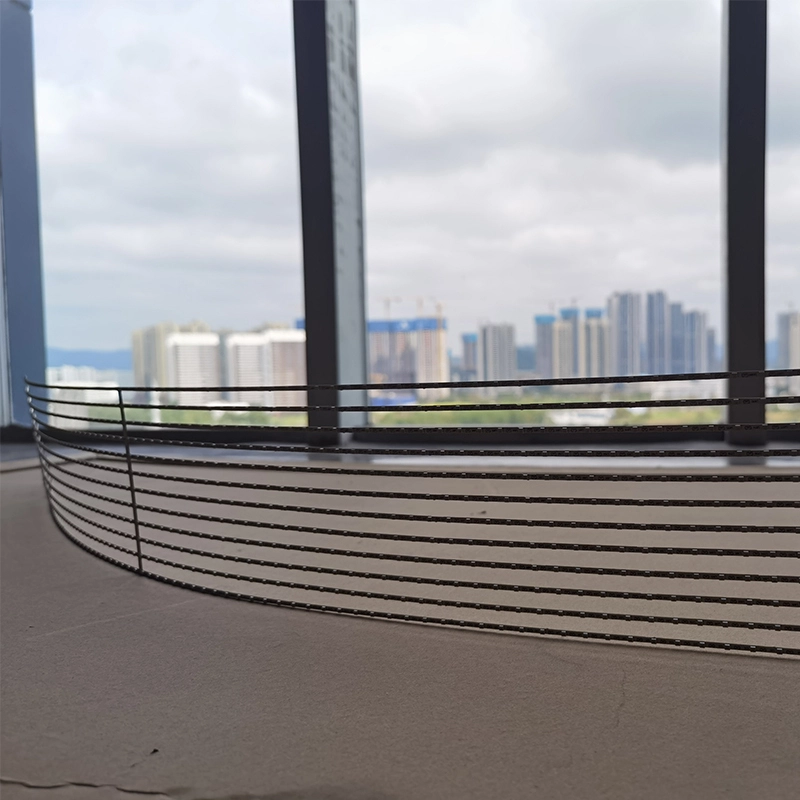
Wall mounting takes on a different form with ITFLED LED Transparent Film Series. The ultra-thin, flexible panels adhere directly to glass surfaces — no steel framework, no bulky brackets, and virtually no visual obstruction. This method preserves natural light penetration while turning windows into dynamic displays.
Ideal applications: Retail windows, shopping mall glass facades, showrooms, conference rooms
Ground-Supported Installation
Best for: Temporary setups, events, and venues where mobility and reconfiguration are essential.
Advantages
Flexibility: Easily moved, reconfigured, or repurposed
Large-scale support: Accommodates large screens without relying on wall strength
Stable base: Heavy-duty stands provide solid foundation
Considerations
Occupies floor space, which may limit audience capacity
Requires careful cable management to avoid tripping hazards
Less suitable for high-traffic permanent installations
For Transparent Screens
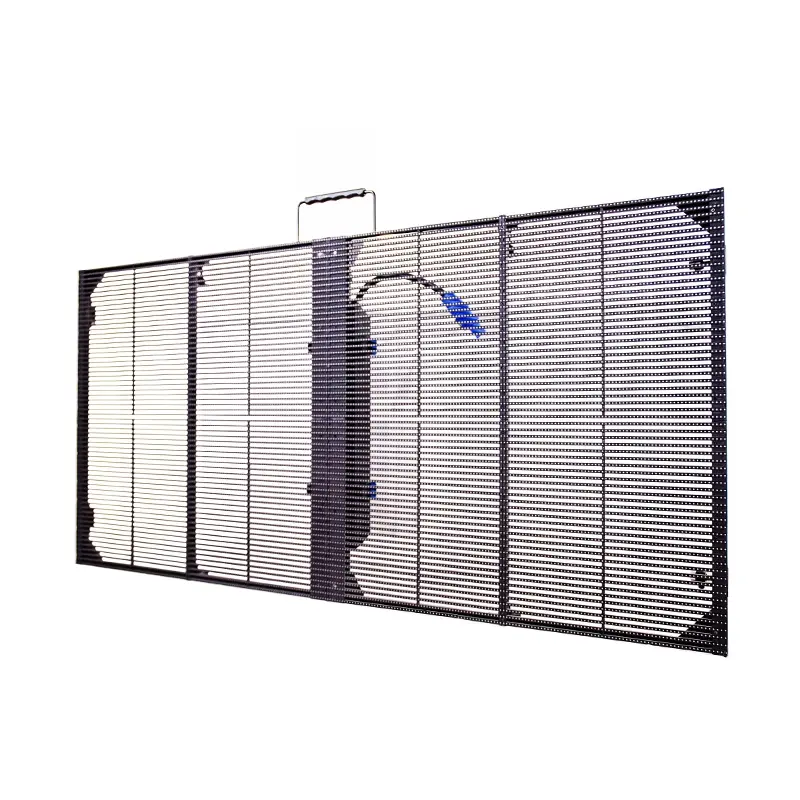
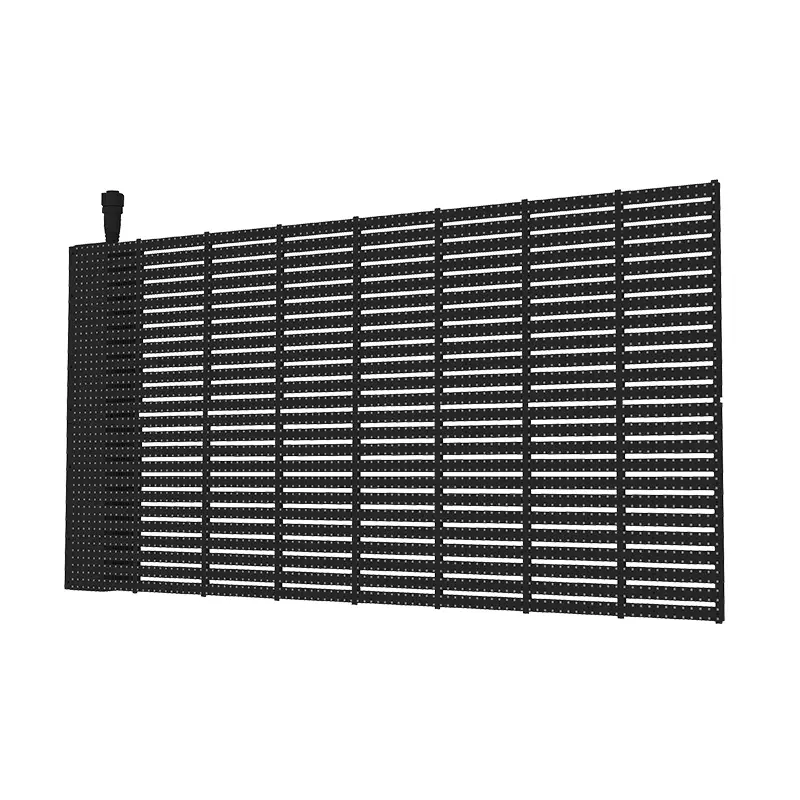
ITFLED Ice Series is purpose-built for rental and event applications. Quick-assembly frames allow rapid setup and teardown — critical for concert tours, trade shows, and product launches where time on site is limited. The high-transparency design ensures the LED stage screen doesn’t overpower the live experience.
Ideal applications: Concerts, festivals, trade shows, auto shows, corporate events
Flown / Suspended Installation
Best for: Large venues where maximizing floor space and achieving high visual impact are top priorities.
Advantages
Maximizes floor space: Keeps the area beneath the screen clear for audience or activity
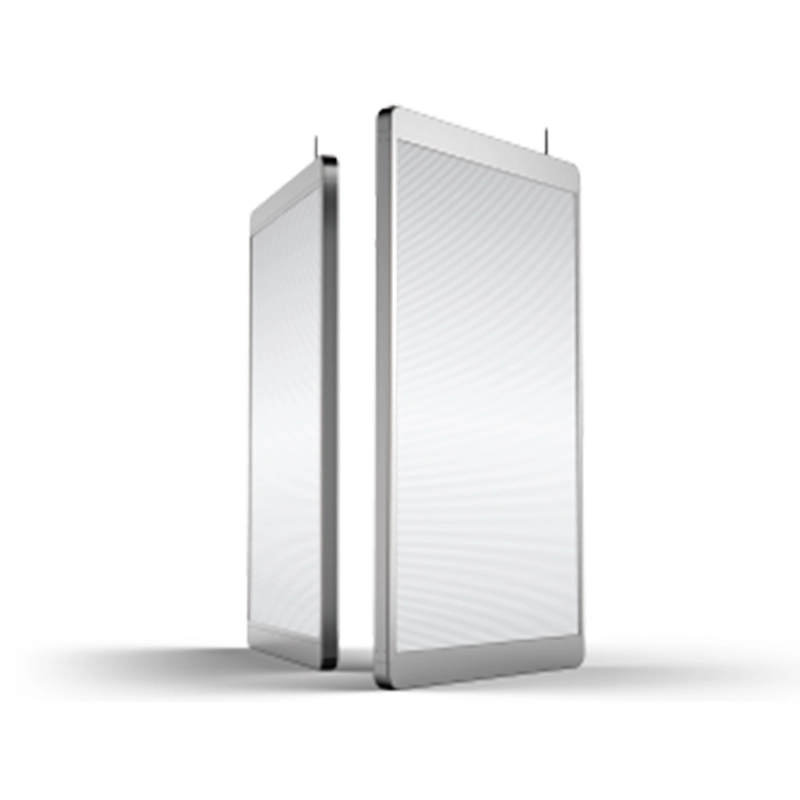
High visibility: Suspended screens capture attention from distance and multiple angles
Versatile positioning: Height can be adjusted to optimize sightlines
Considerations
Complex rigging requires specialized expertise
Higher upfront cost due to additional equipment and labor
Must meet strict safety regulations, especially in crowded venues
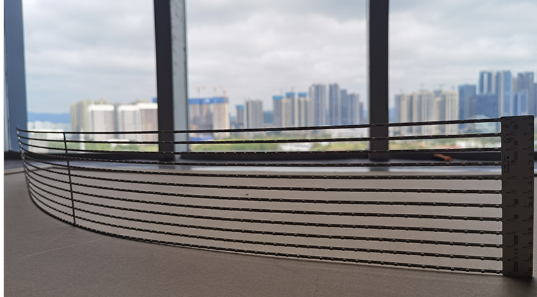
For Transparent Screens
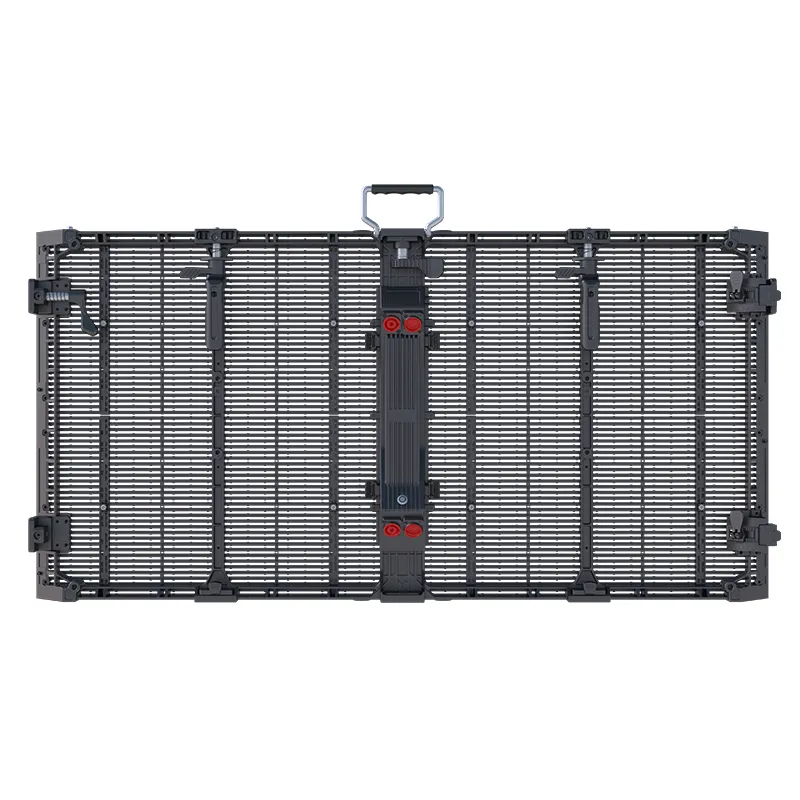
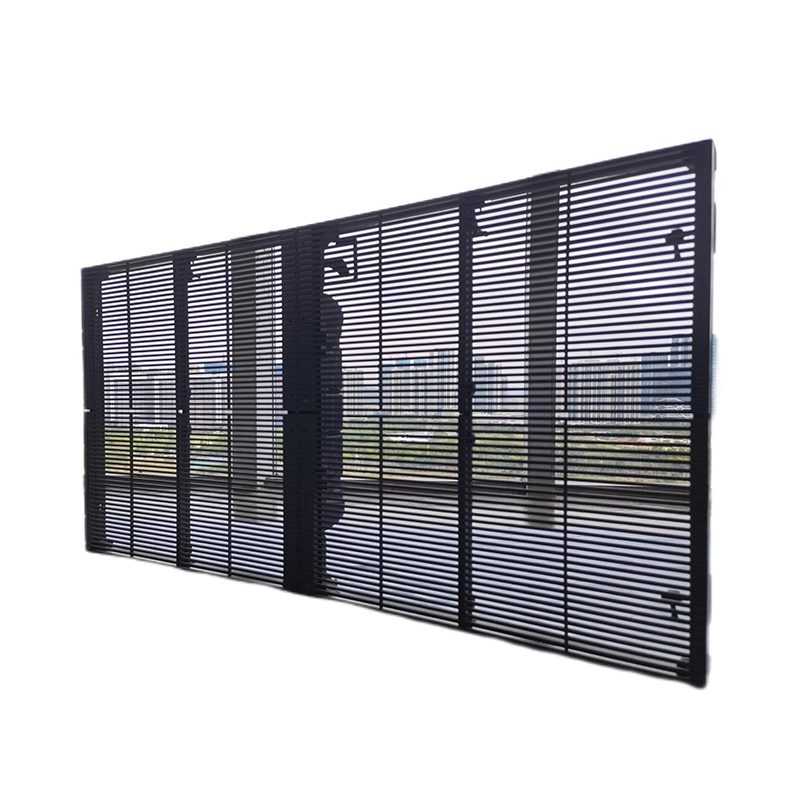
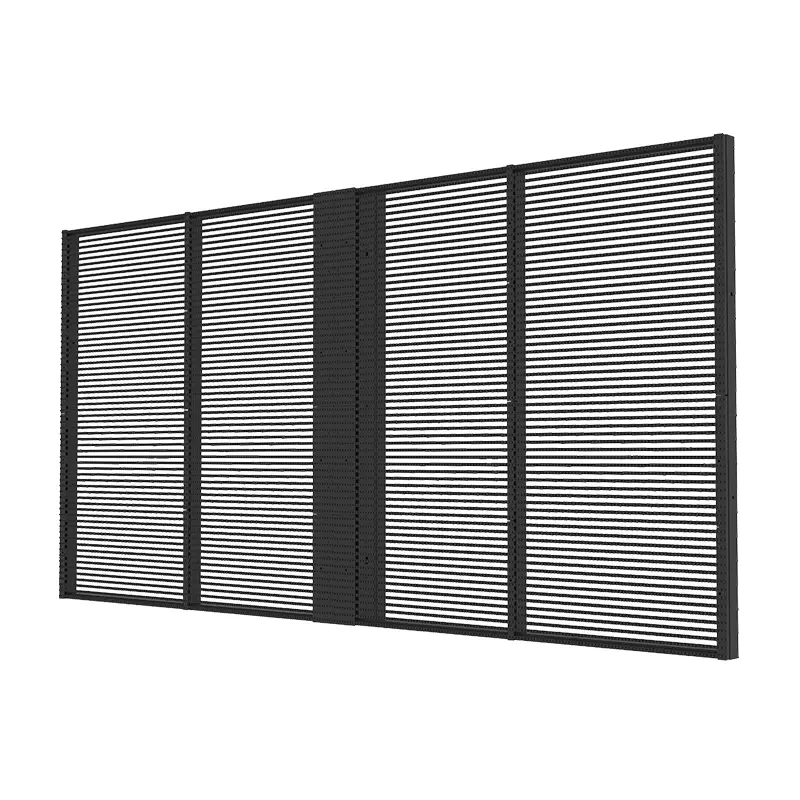
ITFLED Curtain Series is engineered for architectural and large-scale outdoor applications. With IP67 waterproof protection, ultra-light construction, and over 25% open area for wind resistance, it integrates seamlessly into building facades while maintaining structural integrity. For indoor arenas and concert halls, flown installation delivers the visual drama audiences expect.
Ideal applications: Landmark buildings, outdoor advertising, stadiums, concert halls, large-scale events
Step-by-Step Installation Process
Regardless of mounting method, a structured installation process ensures safety and performance.
1) Pre-Installation Planning
Site evaluation: Assess viewing angles, ambient lighting, and structural support
Layout design: Create a blueprint for panel alignment and cable routing
Material collection: Confirm all brackets, cables, and tools are on-site
2) Electrical and Power Setup
Dedicated circuits for larger screens to prevent overload
Careful routing of power and data cables to avoid interference
Pre-test all connections before final panel installation
3) Panel Mounting and Alignment
Install mounting hardware according to chosen method
Use laser levelers to ensure perfect panel alignment
For Film Series, clean glass surface before adhesive application
4) Control System Configuration
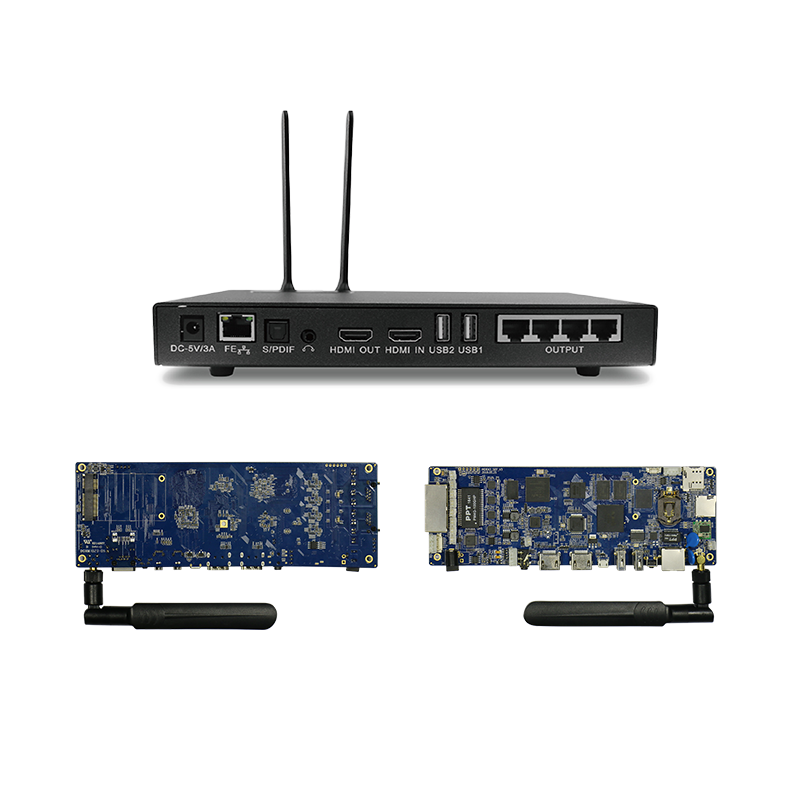
Connect panels to content management system
Configure software for scheduled or real-time content playback
Perform full-system test to verify image quality and stability
Common Mistakes to Avoid
| Mistake | Consequence | Prevention |
|---|
| Skipping structural assessment | Screen falls or wall damage occurs | Verify load capacity before installation |
| Poor cable management | Signal interference, unsightly appearance | Plan cable routes in advance; use concealed conduits |
| Ignoring viewing angles | Distorted image for parts of audience | Calculate optimal height and tilt during planning |
| Inadequate ventilation | Overheating, reduced lifespan | Maintain recommended clearance around screens |
Expert Support When You Need It
Installation doesn’t have to be a guessing game. With over 15 years of industry expertise and a track record of Olympic, World Expo, and large-scale event projects, ITFLED provides end-to-end support — from pre-installation planning to on-site deployment.
Whether you’re outfitting a retail space with Film Series, transforming a building facade with Curtain Series, or equipping a concert tour with Ice Series, our team helps ensure your display performs exactly as intended.
Ready to start your project? Contact our team for installation consultation or a customized solution.