Digital advertising screens are a form of marketing that uses digital displays to promote businesses or products to consumers as they pass by. With advertising being everywhere these days, digital advertising screens provide businesses with the opportunity to reach out to consumers and catch their attention with bold and impactful displays while they are purchasing products, commuting or even travelling abroad. 98% of people come across some form of outdoor advertising, whether it be LED billboards, LED walls, traditional video walls or compact digital signage. Digital advertising screens are an efficient way to promote your brand and products while making your business stand out in the competition.
Understanding What Digital Advertising Screens Are
Digital advertising screens are digital displays that allow companies to communicate with their target audience. There are many different types of digital displays available, which can be used for both indoor and outdoor purposes. The aim is to place visual advertisements in busy areas with high foot or vehicular traffic to reach as many people as possible with your message. This advertising method is particularly useful as part of branding campaigns to create a buzz around your product, service, or business.
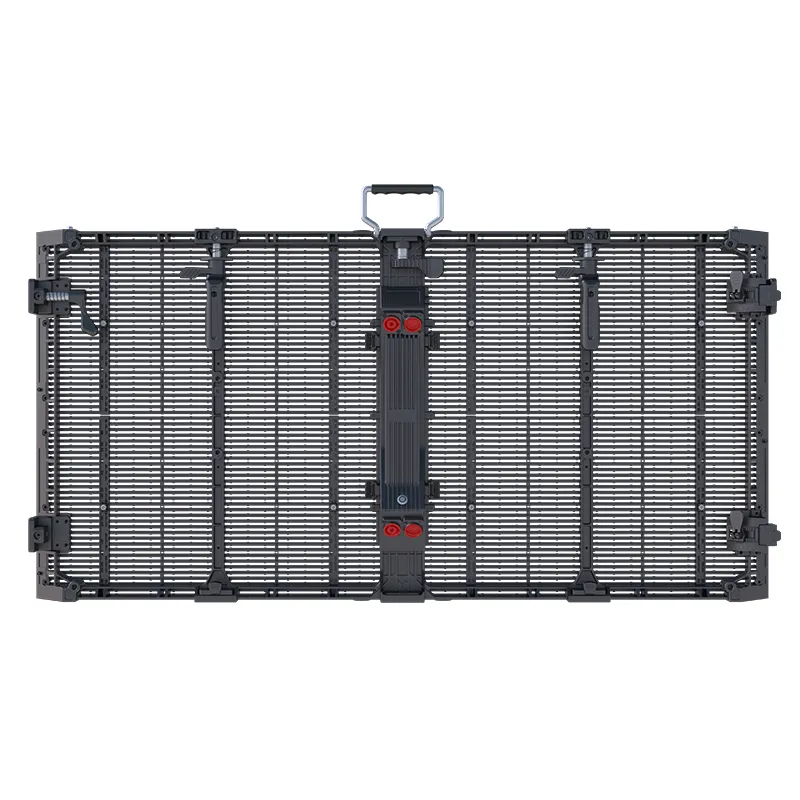
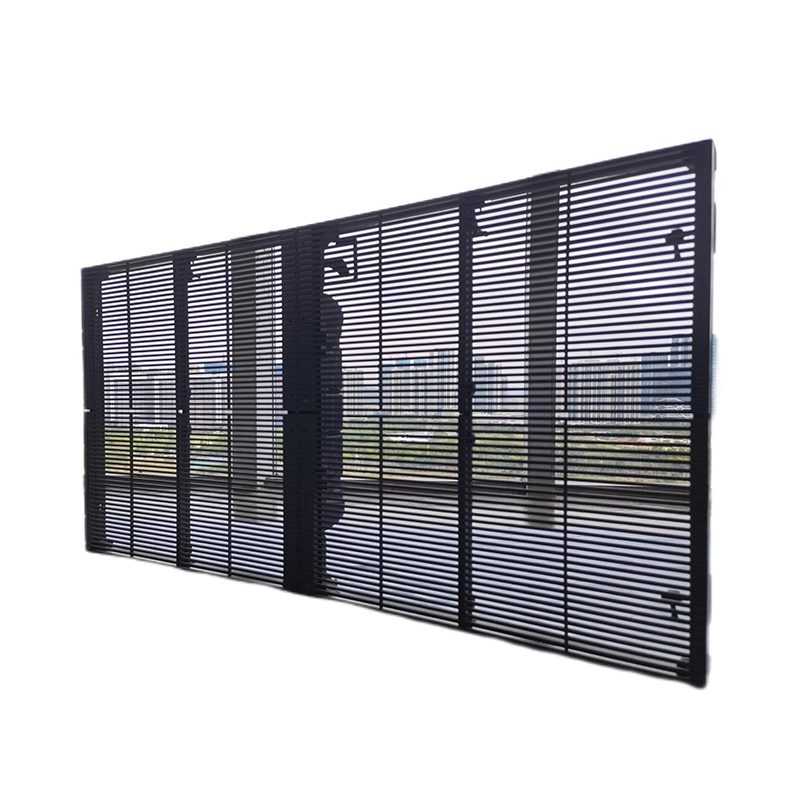
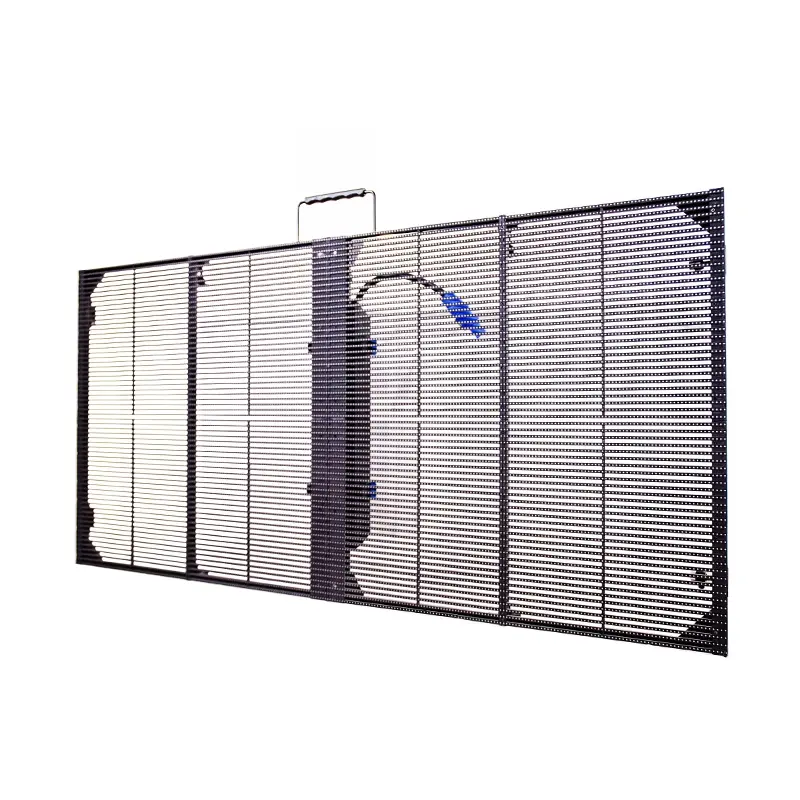
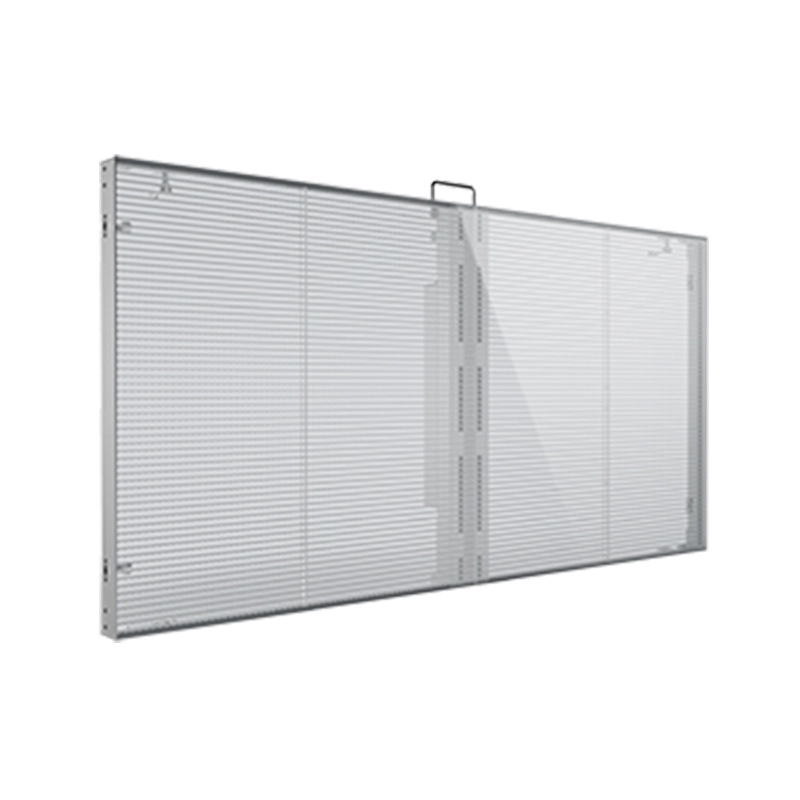
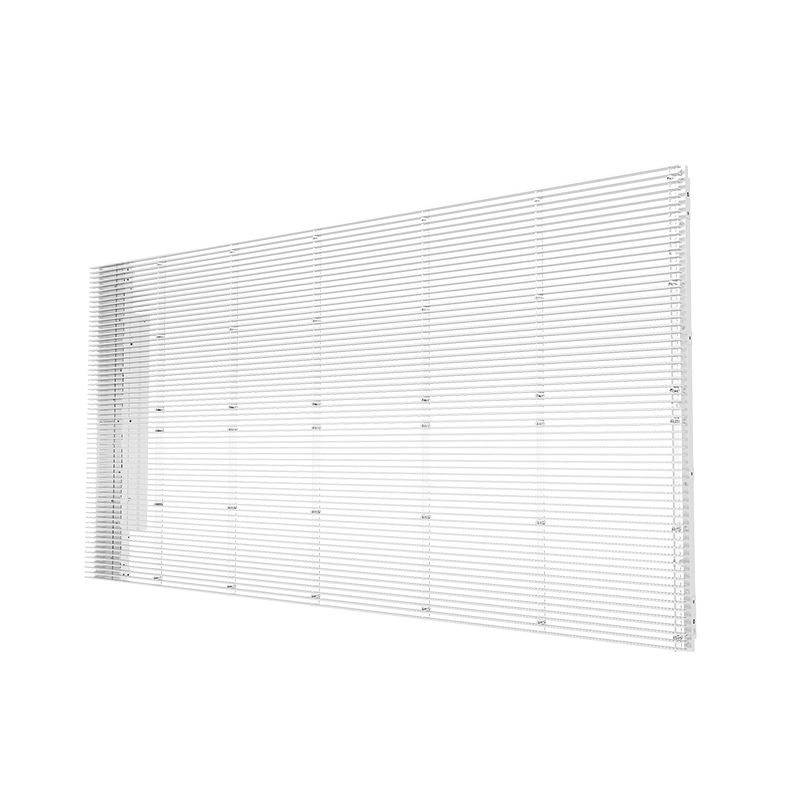
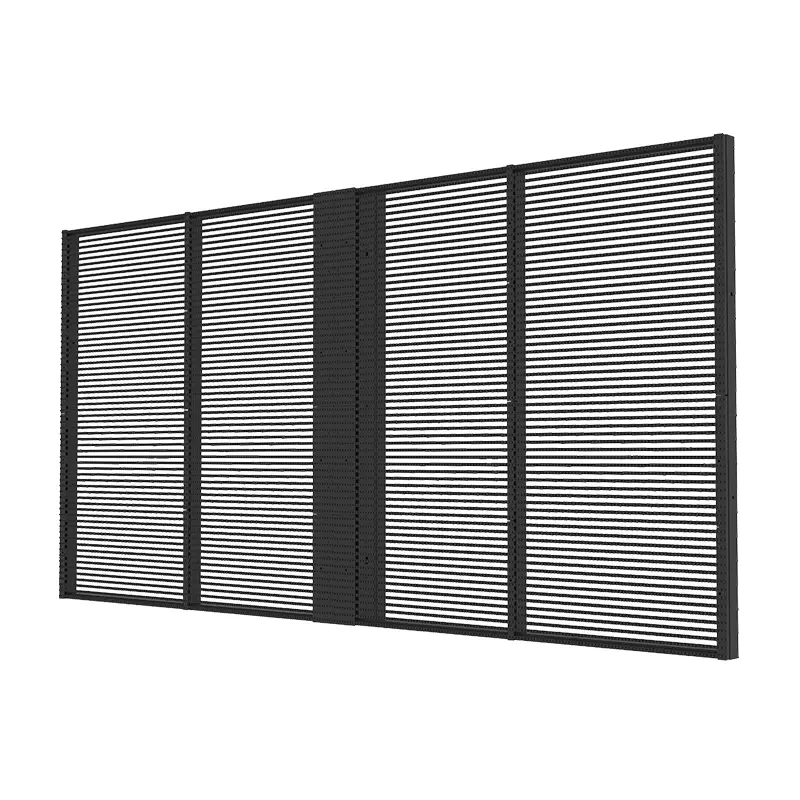
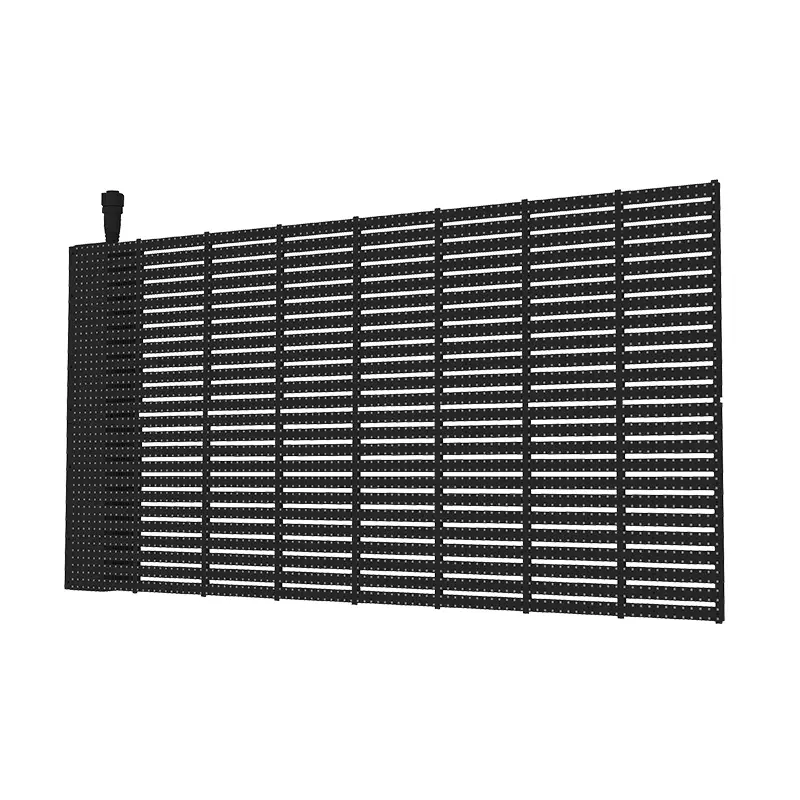
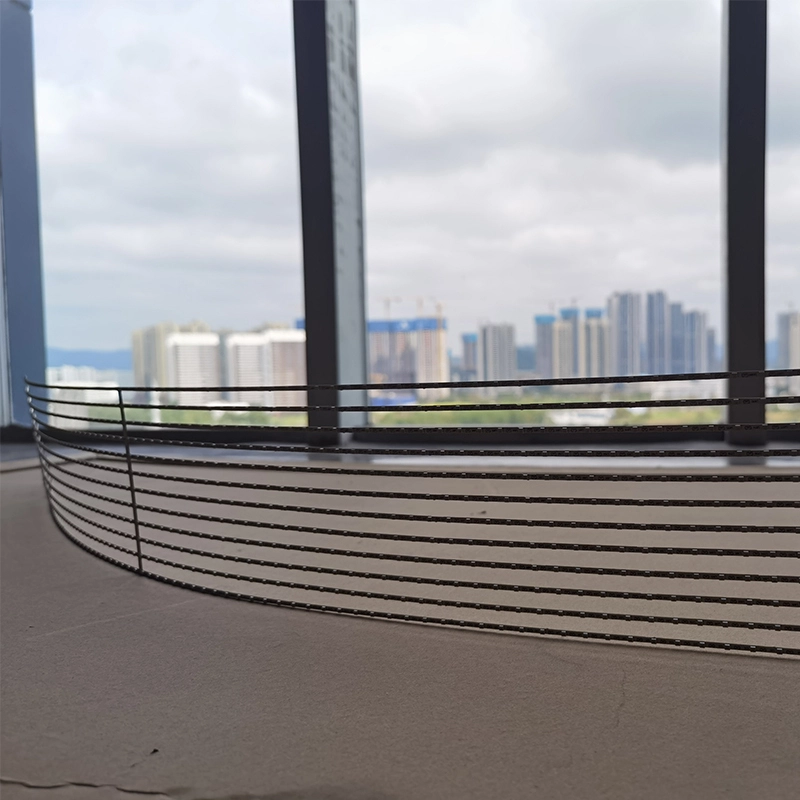
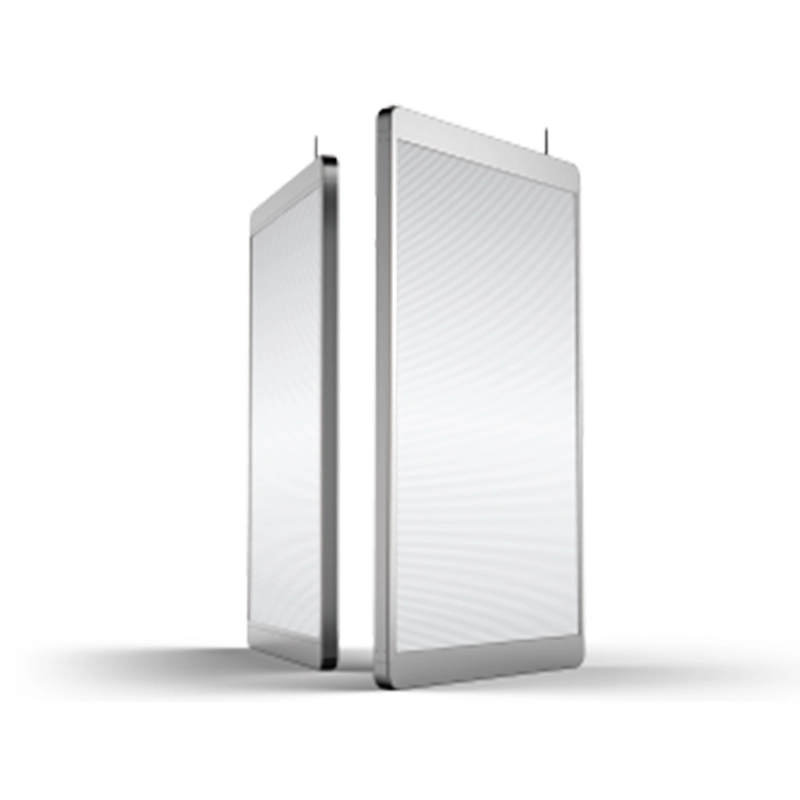
There are many different types of digital displays available, which can take the form of LED walls, LED billboards, traditional video walls, led curtain wall display, or digital kiosks. Each one has its unique advantages, so the most suitable for your business may depend on the type of marketing campaign you are running. The one common denominator is that high-impact visual effects will be the key to their success.
Uses of Digital Advertising Screens
Digital advertising screens are a great way to showcase your business. They can be indoors or outdoors, but they are always in places where there are lots of people to see them. You will find them in stores, shopping centers, airports, and beside bus stops, and even inside modern buses and other modes of transportation.
A digital screen is like a billboard that typically flashes in a series of advertisements, giving your business about 30 seconds to cycle through on the screen. It is well-known that larger companies will purchase every slide in the ad rotation and use it to showcase different products, services, or business elements. Fast food and food and beverage industries are common buyers of digital advertising screens beside bus stops. McDonald's, KFC, Burger King, Coca-Cola, and Jollibee are just a few. Companies that offer products and services to consumers (B2C) often use digital posters and displays as part of their marketing strategy as it allows them to reach as many people as possible.
Indoor Advertising LED Display Screen Vs Outdoor Digital Advertising Display Screens
| Feature | Indoor LED Advertising Display | Outdoor Digital Advertising Display Screen |
|---|
| Brightness | Low to medium, typically 200–1500 cd/m² (some up to 1600 cd/m²). Must avoid eye fatigue. | High to ultra-high, typically 4000–7000+ cd/m² (some >10,000) to overcome sunlight. |
| Ingress Protection (IP Rating) | Low, typically IP30–IP43. Dust protection only, not waterproof. | High, at least IP65–IP68. Fully dust-tight and protected against powerful water jets. |
| Cooling Method | Simple, relies on natural convection. | Complex, requires independent and efficient cooling systems to prevent overheating. |
| Pixel Pitch | Small, usually P3 or smaller (e.g., P1.5). High resolution for close viewing. | Relatively larger, e.g., P3 / P4 / P5 / P8 / P10. Optimized for long-distance viewing. |
| Installation Structure & Maintenance | Lightweight and flexible – wall‑mount, suspended, or simple floor stand. Mostly rear‑access maintenance. | Sturdy and complex – external steel frame or concrete base. Wind‑ and weather‑resistant. Mostly front‑access maintenance. |
| Viewing Distance | Short to medium – a few meters to about 15 meters. Focuses on fine image detail. | Long – commonly viewed from several tens of meters. Prioritizes content readability at distance. |
| Main Applications | Shopping malls, airports, conference rooms, exhibition halls, stage/event backdrops. | Landmark outdoor billboards, highway advertising, naked‑eye 3D screens, outdoor stadiums. |
| Service Life | Longer, typically 50,000–100,000 hours (influenced by operating environment). | Somewhat shorter due to severe weather (sun, rain, temperature variations). |
| Cost (per same size) | Lower, significantly cheaper than outdoor equivalents. | Higher, often multiple times the cost of indoor displays. |
List of Well-Known LED Advertising Screen Manufacturers
| Brand | Founding History & Official Website | Core Competence & Influence |
|---|
| Samsung | In 2006, Samsung Electro-Mechanics launched its LED business, and in 2009 it formed a joint venture with Samsung Electronics. The same year, Samsung introduced the world’s first edge‑lit LED TV.
Website: Samsung LED Global | Global leader in commercial displays for 17 consecutive years since 2009. In 2025, it held the top spot with a 35.2% shipment share. Particularly in sports, retail, and other professional display sectors, Samsung enjoys near‑dominant technology and ecosystem advantages. |
| LG Electronics | LG Electronics officially entered the digital signage market in 2012. Its subsidiary LG Display started R&D on TFT‑LCD technology as early as 1987.
Website: LG Global | In Q1 2026, LG Electronics ranked second in the global signage market with a 15.3% share. It is also a key supplier of large‑area OLED panels, giving it strong influence in the high‑end commercial display sector. |
| Barco | Founded in 1934 in Belgium, Barco specialises in professional visualisation. It has been active in LED technology since the 1990s, and its Infinipix™ platform is a benchmark for LED video walls.
Website: Barco Official | An invisible champion in professional applications. In 2024, Barco’s revenue reached $950 million. It is a leading brand in mission‑critical visualisation fields such as healthcare, control rooms, and broadcasting. |
| Leyard | Founded in 1995 in Beijing’s Zhongguancun district. In 1998, Leyard developed China’s first full‑colour LED display. It was listed on the Shenzhen Stock Exchange in 2012, completing its transformation from a small enterprise to a global giant.
Website: Leyard Official | Industry leader with the largest global market share in LED display products for 7 consecutive years. Its global sales share for small‑pitch and micro‑pitch LED reached 19.1%. Particularly strong in large‑scale displays, events, and performances. |
Key Factors Influencing the Price of LED Advertising Displays
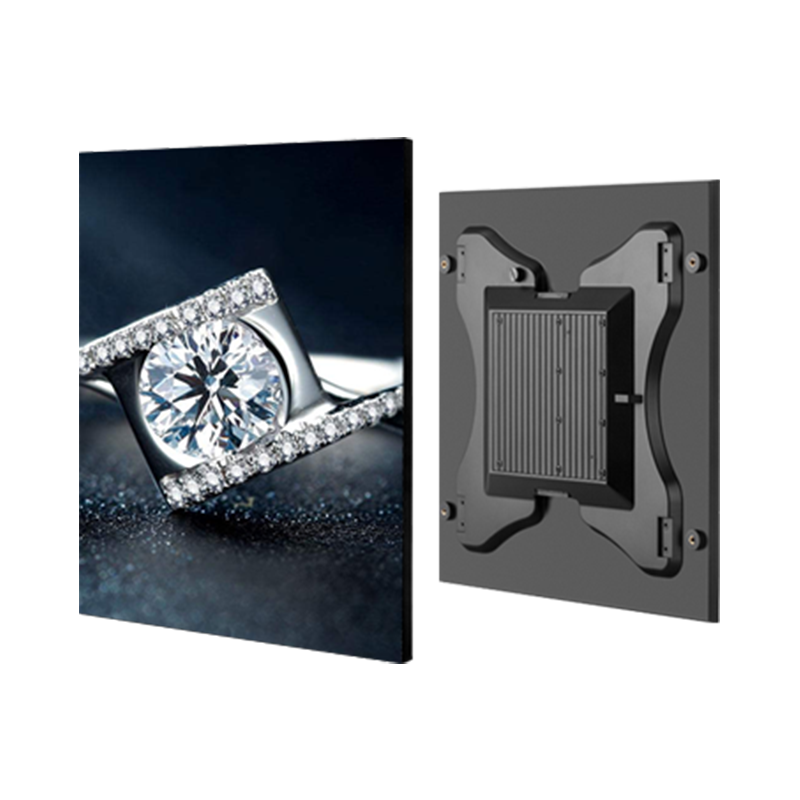
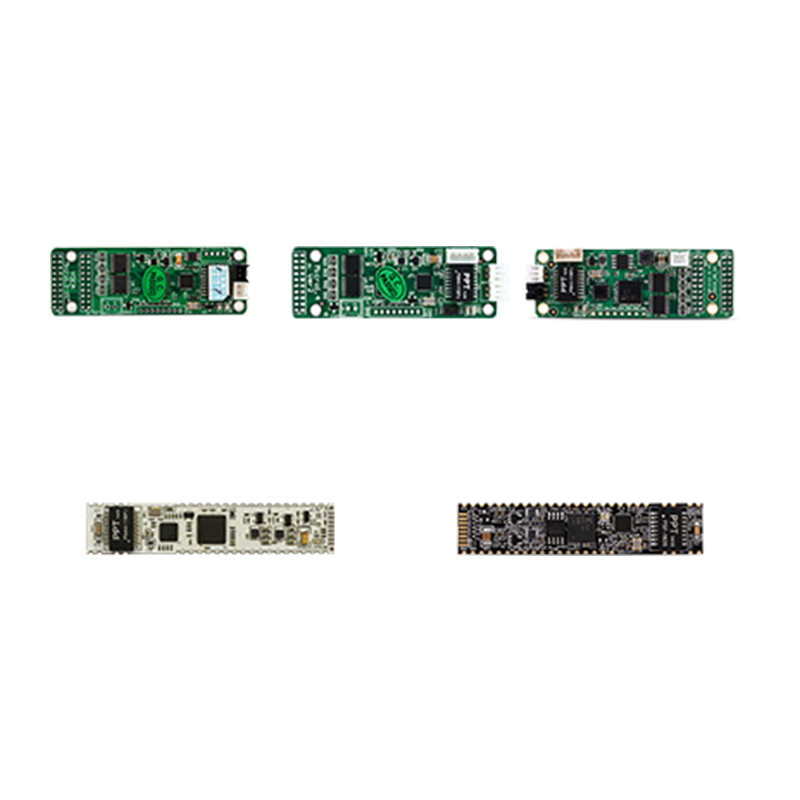
Hardware and technology are the core determinants of basic costs, typically accounting for 60-70% of the screen's cost. LED chips are the largest cost component, with price differences between brands and packaging technologies reaching several times. For example, imported chips offer superior performance but are expensive, while mainstream domestic brands like Sanan offer extremely high cost-effectiveness. In this area, XMOZU insists on using high-end chips and rigorous packaging processes to ensure the brightness consistency and long-term stability of each chip, reducing failure rates for users from the outset. Driver ICs and PCBs are responsible for precise image control; high-quality ICs deliver a flicker-free, high-refresh-rate viewing experience. The XMOZU Outdoor Transparent LED Display features an industrial-grade driver solution, providing superior grayscale performance at the same pixel pitch. Furthermore, the cabinet structure also affects price; while die-cast aluminum cabinets are more expensive than sheet metal ones, they offer better heat dissipation and lighter weight, and the waterproof structure of outdoor screens is about 40% more expensive than indoor screens.
.png "LED_chips_are_the_largest_cost_component_(1).png")
Technical specifications and application scenarios determine the screen's actual functionality and are where price differences are most pronounced. The smaller the pixel pitch (P-value), the more LEDs per unit area; a P1.25 LED often costs two to three times more than a P2 LED. The difference between indoor and outdoor screens is also significant. Outdoor LED advertising boards require three to five times the brightness and a robust, waterproof, and corrosion-resistant structure, typically costing 30% to 50% more than indoor screens. Special features such as ultra-high refresh rates, wide color gamuts, lightweight rental structures, or custom shapes will result in a significant premium over standard products. XMOZU offers modular product series for different scenarios. For example, its rental series significantly reduces weight while maintaining high refresh rates, effectively lowering transportation and setup costs; while its outdoor advertising series employs patented heat dissipation design and high protection levels, making long-term operation more worry-free.
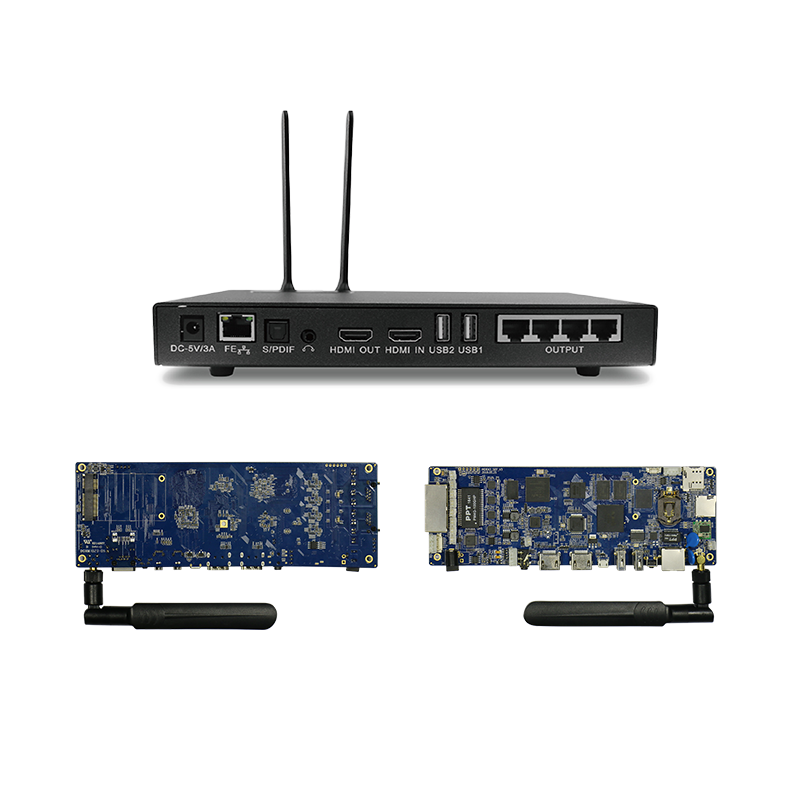
Market and supply chain factors can cause price fluctuations. Fluctuations in raw material prices (such as gold, silver, and copper) quickly transmit to downstream industries, and intense industry competition often leads to price wars. Installation and additional costs are often overlooked but can account for 20% to 40% of the total project price. High-altitude hoisting, steel structure, control systems, and after-sales service are all significant expenses. XMOZU offers a one-stop service from site survey and structural design to commissioning and delivery, helping customers avoid hidden costs caused by improper installation or incompatible parts. A full warranty and rapid response system ensure reliable maintenance.
In general, the final price of an advertising screen is the result of dozens of variables. It is recommended to specify the usage scenario, viewing distance, and environmental conditions when requesting a quote, allowing a professional supplier to customize the best solution that balances performance and cost.