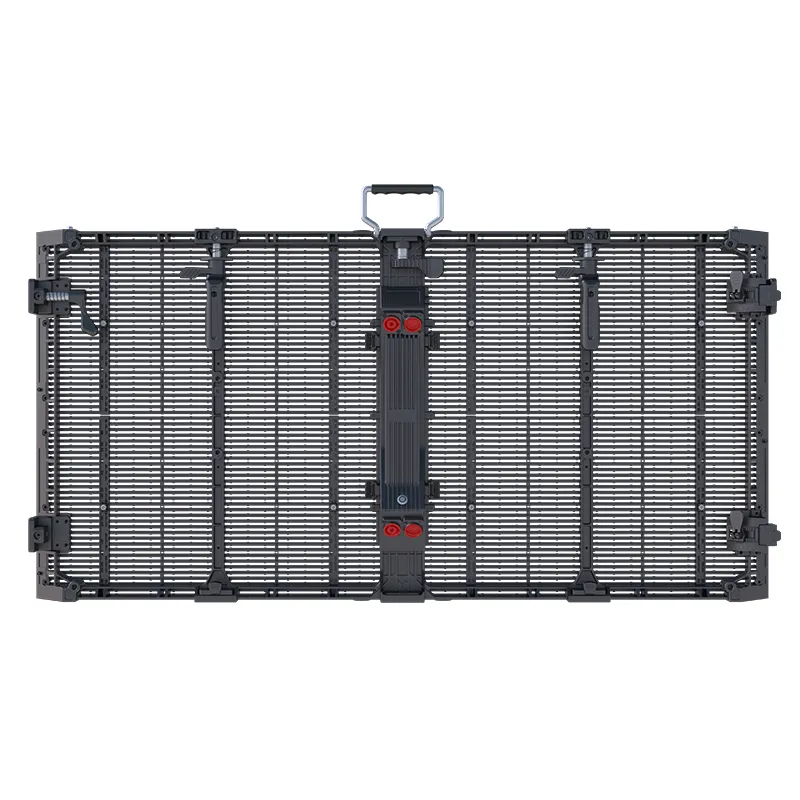
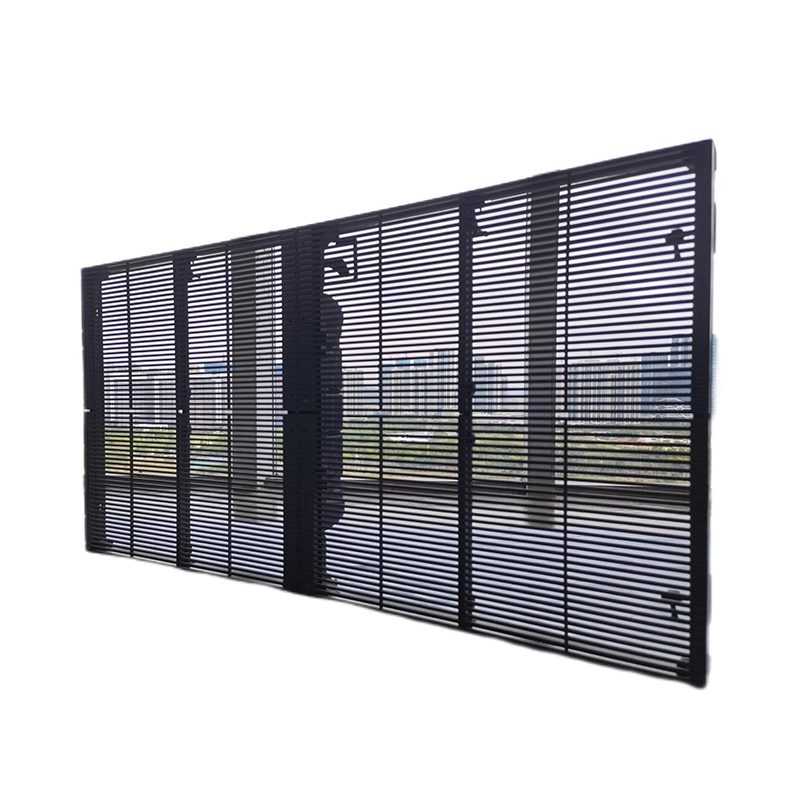
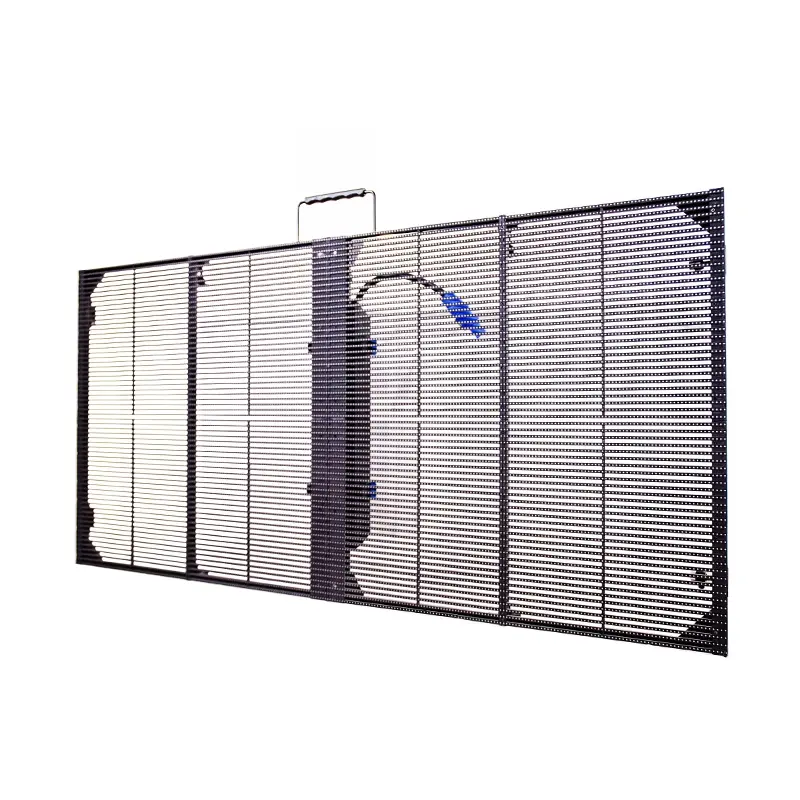
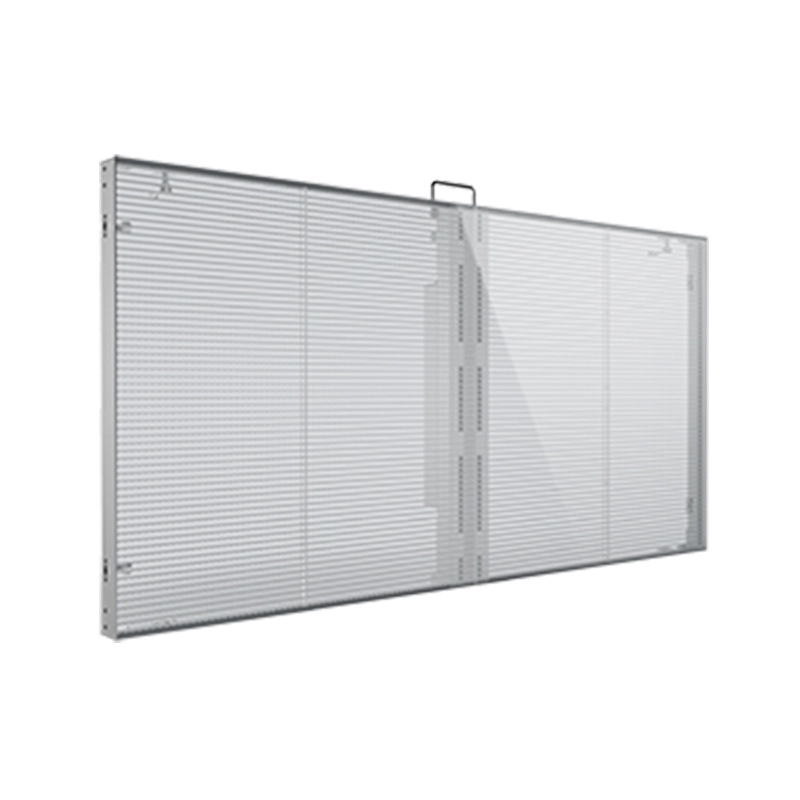
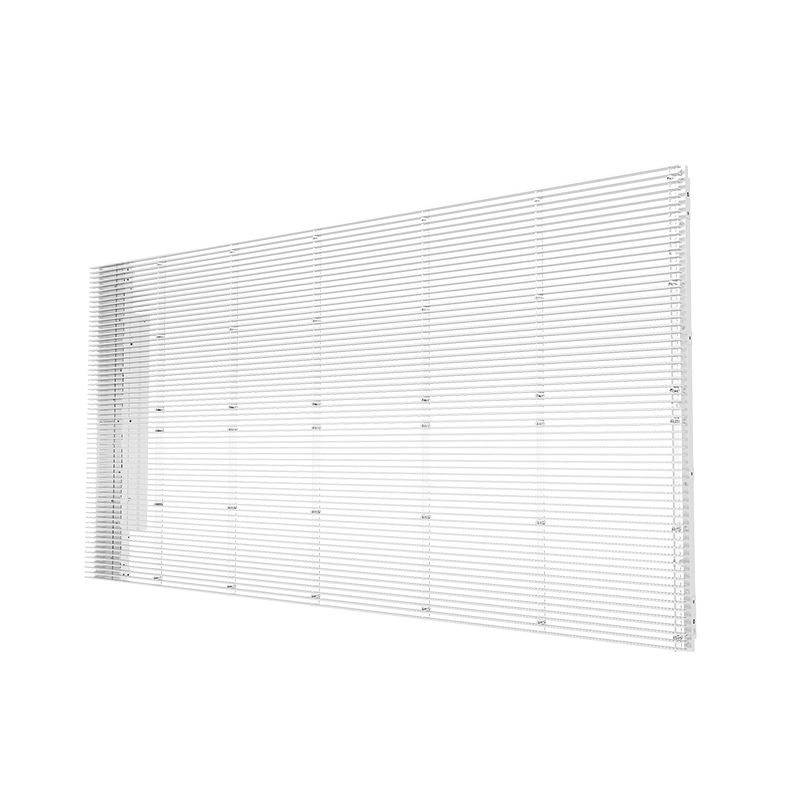
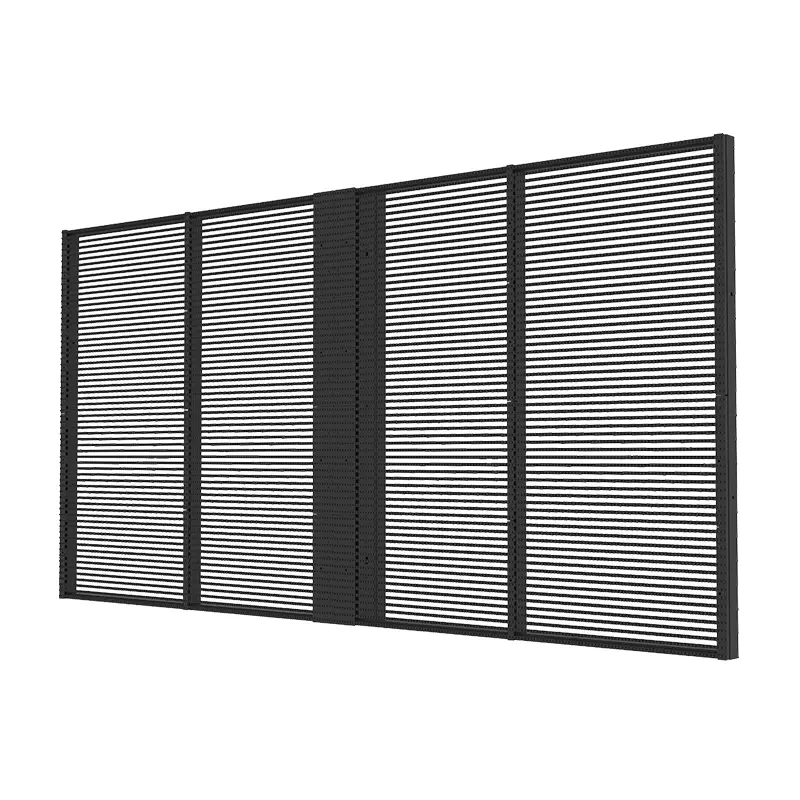
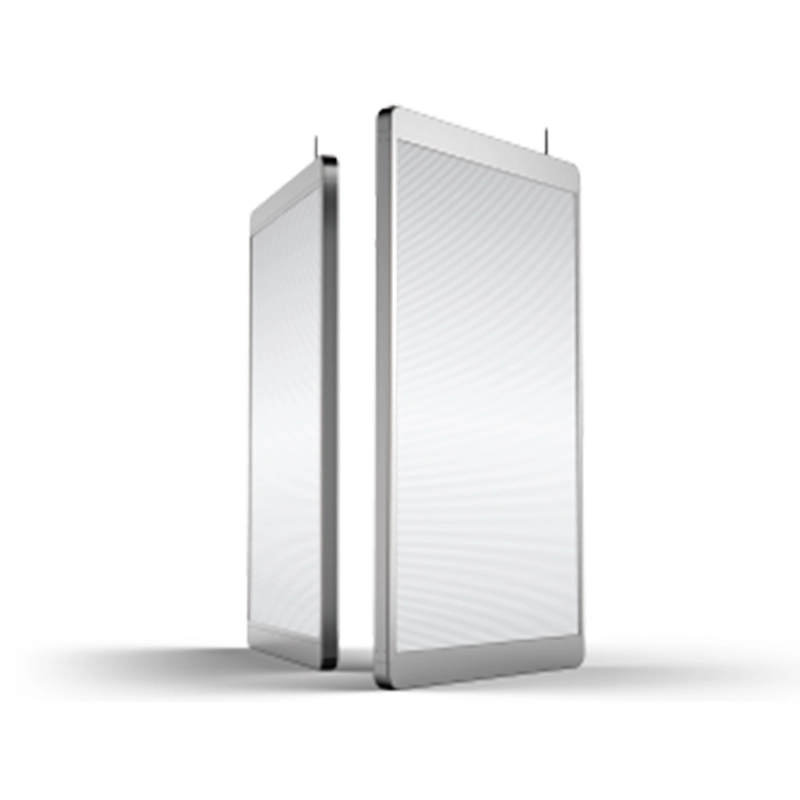
Retrofitting an existing glass storefront with an adhesive LED transparent film screen can add dynamic advertising without replacing the glazing or installing a conventional LED cabinet wall. The display attaches directly to the inside surface of the glass, helping retailers preserve daylight, product visibility, and the open appearance of the storefront.
However, successful integration requires more than measuring the width and height of the window. Integrators must review the glass condition, visible display area, viewing distance, ambient light, pixel pitch, power routing, control system, content format, and future maintenance access.
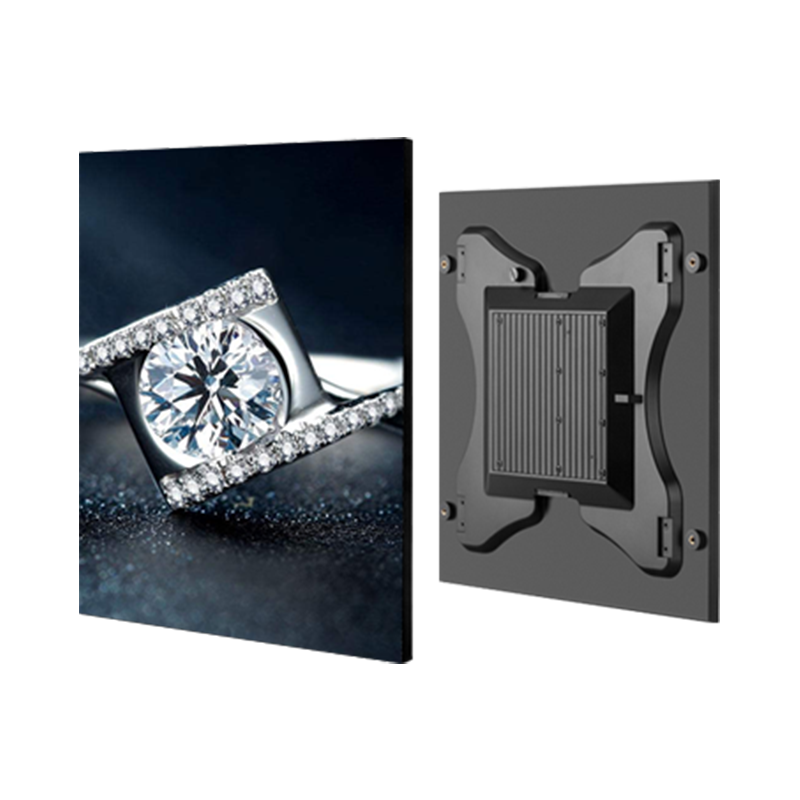
Our Film Series uses an ultra-thin modular structure designed for direct application to glass windows and curtain walls. It offers more than 85% transparency, multiple pixel-pitch options, wireless content control, and a panel thickness of approximately 3 mm.
Assess the Glass Before Specifying an Adhesive LED Transparent Film Screen
The existing glazing should be inspected before the display size or mounting plan is finalized. Adhesive installation requires a clean and stable surface, so integrators should identify coatings, printed patterns, scratches, uneven joints, sealant lines, and other conditions that could affect contact between the film and glass.
The survey should record:
Visible glass width and height
Individual pane dimensions
Mullion and joint locations
Flat or curved glass geometry
Interior access and working clearance
Cable routes and nearby power points
Direct sunlight and reflected light
Required visibility into the store
The active display area should normally remain within a single stable mounting surface wherever possible. Glass joints, handles, doors, ventilation openings, and structural frames may interrupt the image or complicate wiring.
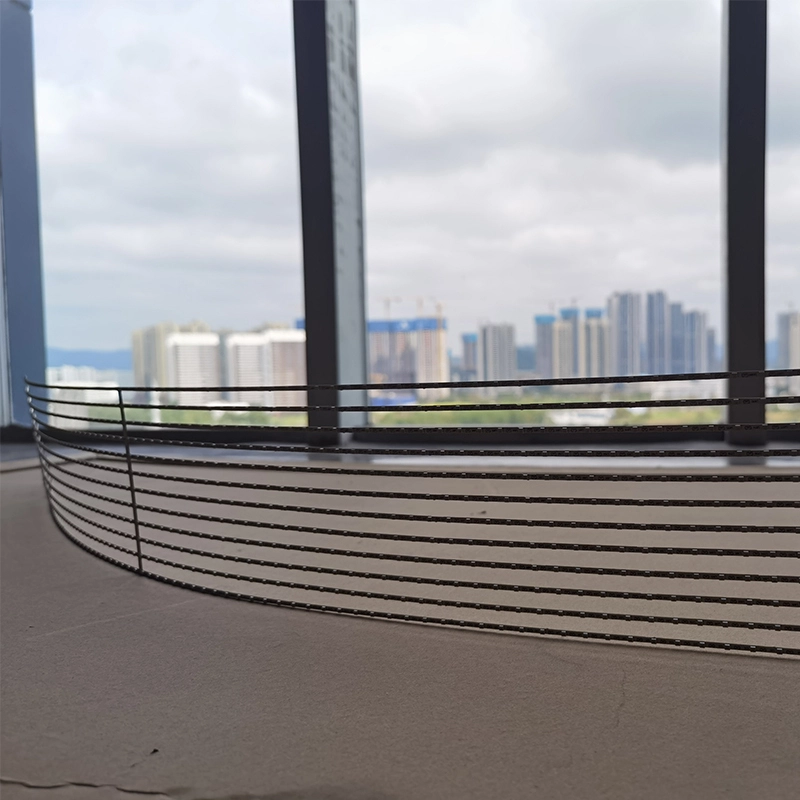
For curved storefronts, the bending requirement must also be confirmed. The Film Series can adapt to continuous curved surfaces, with the product comparison listing a minimum bending radius of approximately 50–100 mm. The final suitability still depends on the actual glass radius and installation method.
Select Pixel Pitch by Viewing Distance and Content Detail
Pixel pitch determines image detail, pixel density, and the distance from which the content appears visually continuous. A smaller pitch is generally more suitable for close-viewing storefronts, detailed product images, and smaller text. A larger pitch may be sufficient for broad graphics viewed from farther away.
The Film Series provides three configurations:
| Model | Pixel pitch | Pixel density |
|---|
| CF3.9 × 7.8 | 3.9/7.8 mm | 32,768 pixels/m² |
| CF7.8 | 7.8125 mm | 16,384 pixels/m² |
| CF10.4 | 10.416 mm | 9,216 pixels/m² |
These options allow integrators to balance image definition, viewing distance, project budget, and transparency.
A full-size content test is recommended when the storefront will display small lettering, product prices, QR codes, or detailed brand imagery. Transparent LED content is usually most effective when it uses bold typography, clean graphics, strong contrast, and controlled motion rather than dense layouts designed for LCD screens.
Specify Brightness and Color for a Transparent LED Film
Ambient light can change significantly throughout the day. A display facing a bright street may need higher output during daytime operation, while the same setting may appear excessive after dark.
The Film Series has a listed maximum brightness of up to 5,000 cd/m² and supports a color-temperature range of 3,600–13,000 K. It also uses 16-bit grayscale and a refresh rate of at least 3,840 Hz across the listed models.
When specifying a color transparent LED film, integrators should consider:
Daytime and nighttime brightness settings
Reflections from the storefront glass
Interior lighting behind the screen
Brand color requirements
Camera or video-recording use
Content contrast and background treatment
Maximum brightness should not be treated as the normal operating setting. Excessive output can reduce visual comfort and make premium retail content look harsh. Brightness schedules or manual adjustment should be included during commissioning.
Plan Adhesive Installation, Panel Layout, and Cable Routing
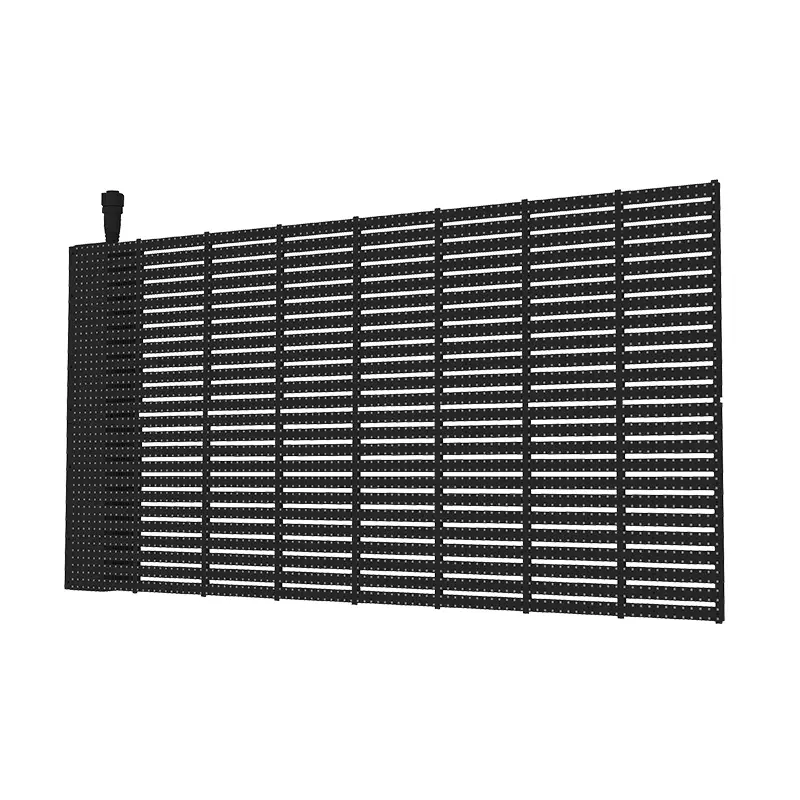
The Film Series uses 1,000 × 250 mm modules with a listed weight of approximately 0.8 kg per panel. Its direct adhesive installation eliminates the large steel frame commonly required by conventional cabinet displays.
Before installation, the glass must be cleaned using methods compatible with both the glazing and adhesive system. Dust, grease, moisture, and cleaning residue can reduce adhesion or create visible imperfections beneath the transparent panel.
Integrators should prepare a panel map showing:
The layout should align seams with architectural features where possible. Cables and power components should be placed outside the main viewing area or integrated into mullions, ceiling spaces, or approved enclosures.
Although the screen itself is lightweight, the complete installation must still comply with local electrical, fire, and building requirements. The Film Series is listed for AC100–240V input, with average power consumption of approximately 180 W/m² and maximum consumption of 450 W/m².
Confirm Control, Content, and Multi-Screen Synchronization
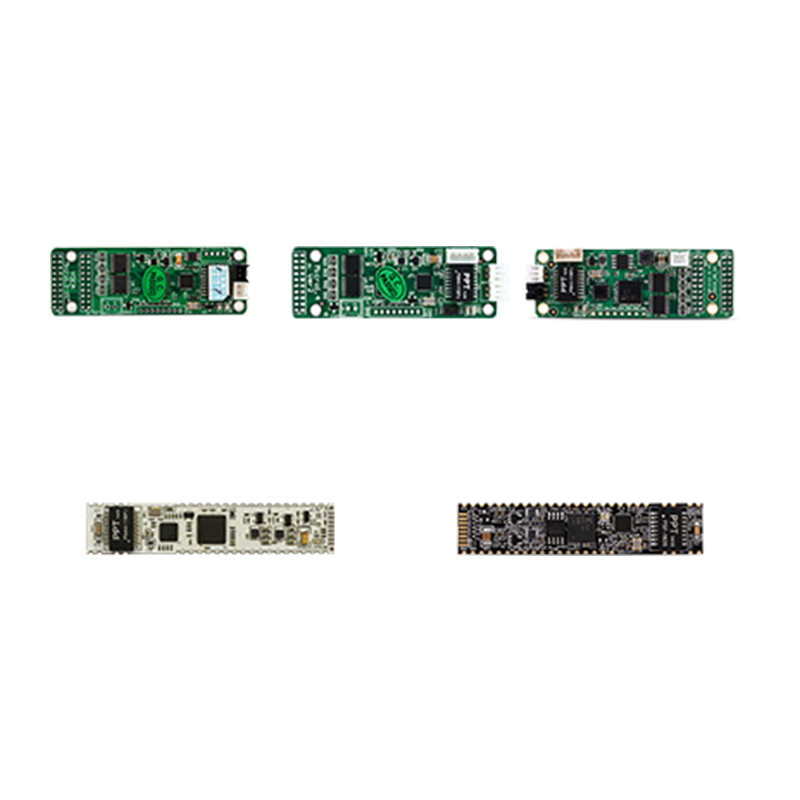
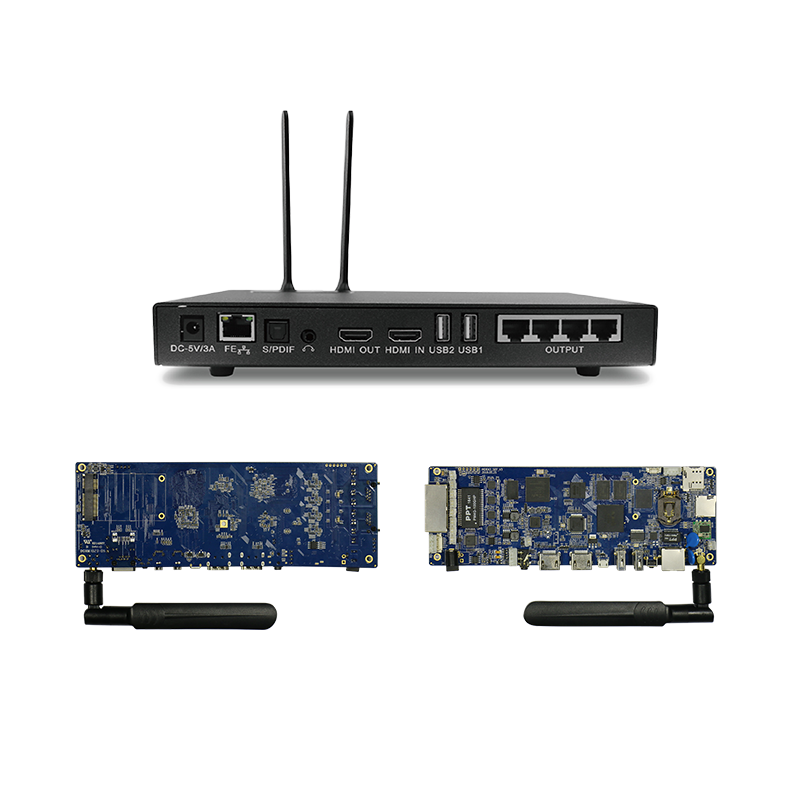
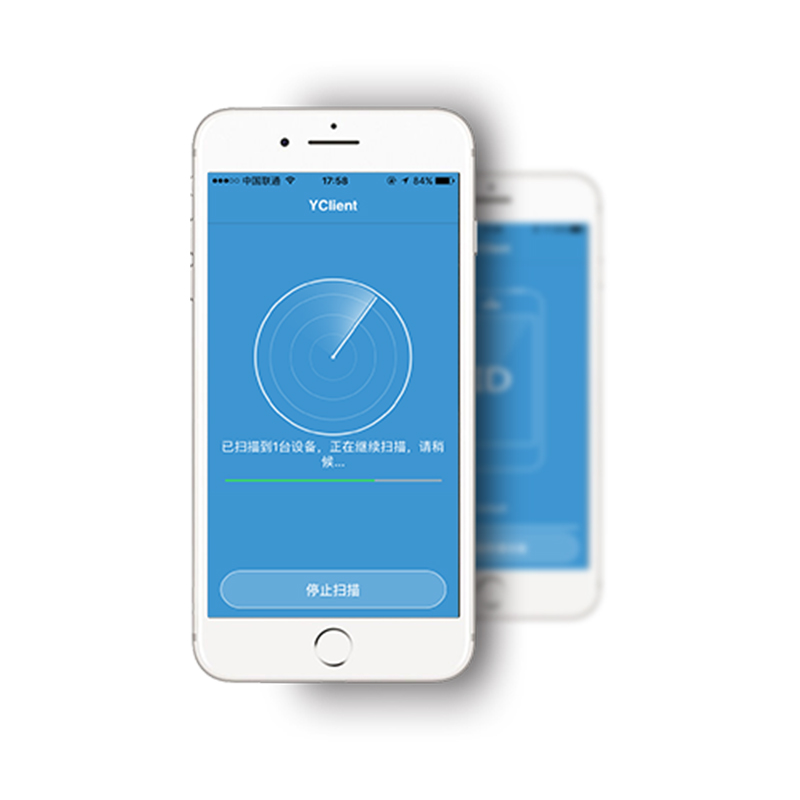
Content management should be planned before the storefront is handed over to the retailer. The Film Series supports app-based operation and wireless synchronization across multiple devices, allowing images and videos to be shared from a smartphone.
For a single store, local wireless control may be sufficient. Multi-location retail projects may require centralized scheduling, user permissions, campaign approval, and remote fault monitoring.
Integrators should confirm:
Supported image and video formats
Final canvas resolution
Playlist and scheduling functions
Online and offline playback
Screen synchronization
Network requirements
Authorized-user access
Recovery after power interruption
Content should be produced specifically for the installed resolution and aspect ratio. Dark areas can be used as visually transparent space, helping digital graphics appear to float over merchandise or the store interior.
Evaluate the Transparent LED Screen Manufacturer
The equipment supplier should review more than the requested screen area. A qualified transparent LED screen manufacturer should examine glass drawings, site photographs, ambient light, viewing distance, installation height, content requirements, and electrical conditions before confirming the configuration.
The proposal should identify the selected pixel pitch, module quantity, active display dimensions, brightness, controller, power distribution, cables, spare parts, installation procedure, and warranty coverage.
For rollout projects, buyers should also ask whether replacement modules from future batches will remain compatible with the original display. Color consistency, control-system compatibility, technical documentation, packaging, remote support, and installer training can be as important as the initial unit price.
FAQ About Adhesive Transparent LED Film Screens
Can an LED film screen be installed on existing storefront glass?
Yes. It is designed for direct attachment to suitable glass surfaces, allowing many storefronts to be upgraded without replacing the existing glazing.
How transparent is the LED film?
The Film Series provides more than 85% light transmission, helping maintain visibility through the storefront when appropriate content is displayed.
Can it be installed on curved glass?
It can adapt to continuous curved surfaces within its supported bending range. The glass radius and installation conditions should be reviewed before ordering.
Is the screen suitable for outdoor installation?
The listed protection grade is IP4X. Storefront projects should normally install the film on the protected interior side of the glass unless a different configuration is specifically approved.
Which pixel pitch should an integrator choose?
The choice depends on viewing distance, content detail, display size, and budget. Close-viewing retail windows generally benefit from the finer-pitch option.
Conclusion
An adhesive transparent LED film retrofit should be specified as a complete display system rather than a decorative film product. Glass condition, pixel pitch, brightness, panel layout, power, control, content, and maintenance all influence the final result.
By supplying storefront drawings, photographs, viewing distances, lighting conditions, and content requirements, integrators can obtain a Film Series configuration that preserves glass transparency while adding flexible digital communication to retail windows, showrooms, shopping malls, and other glazed spaces.