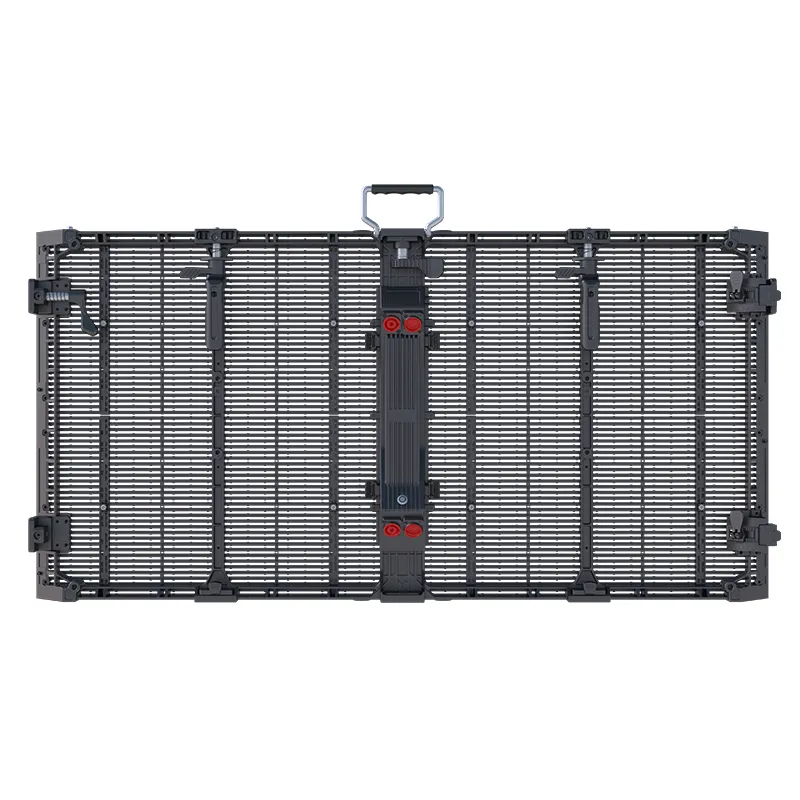
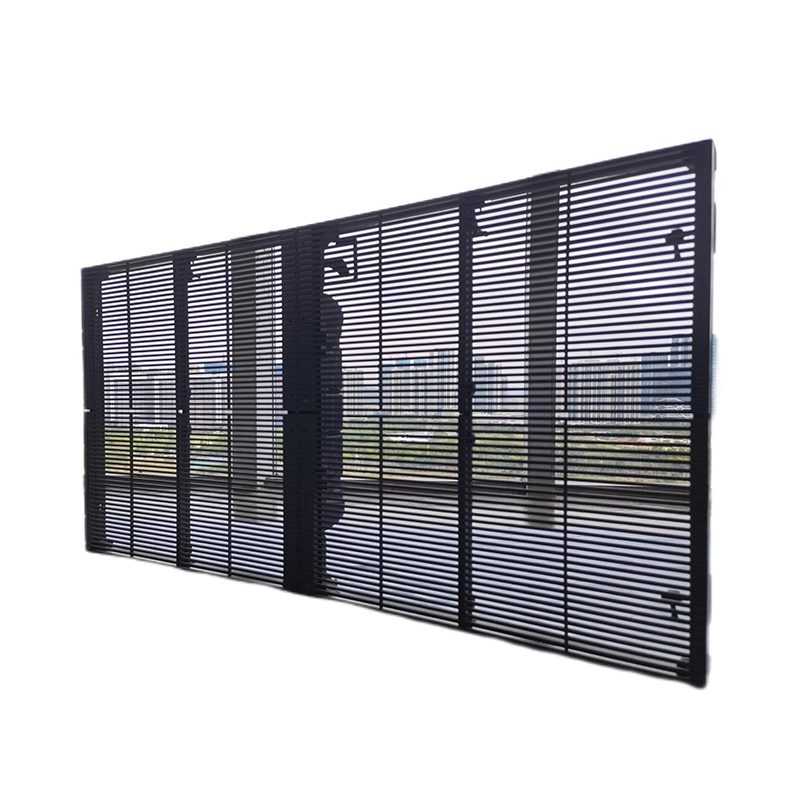
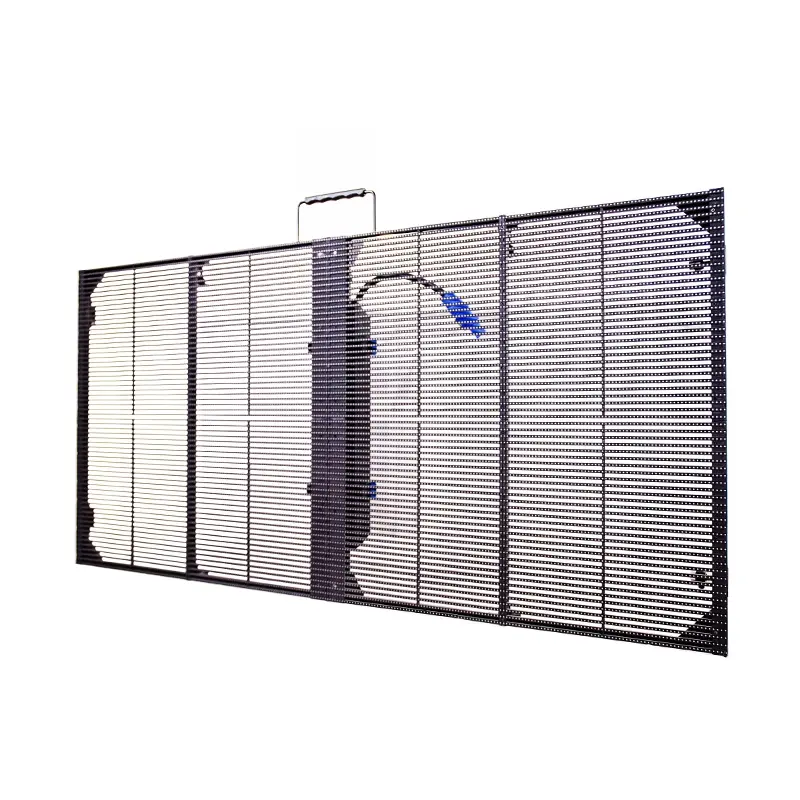
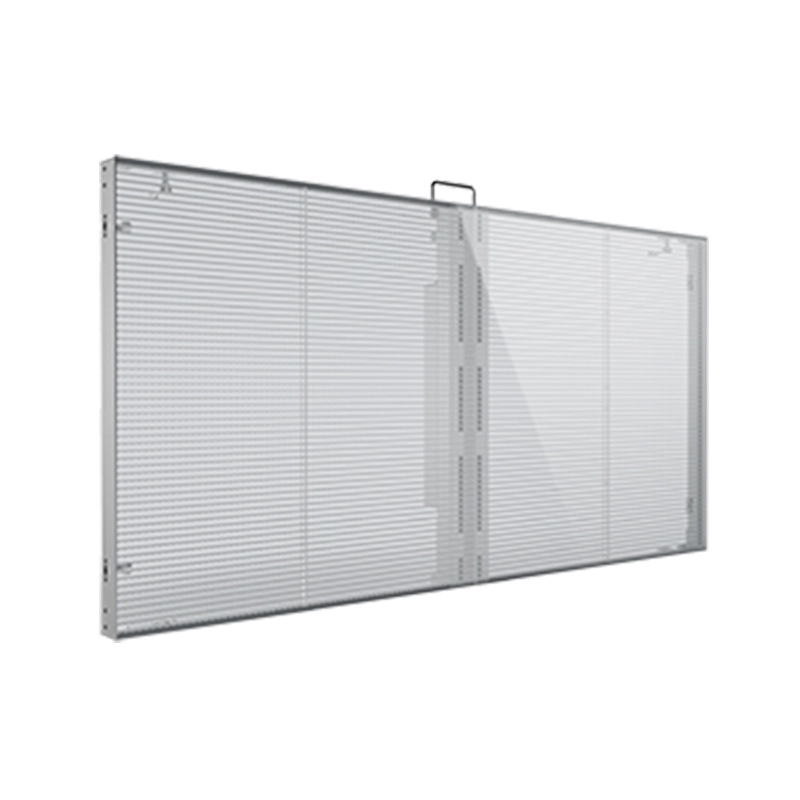
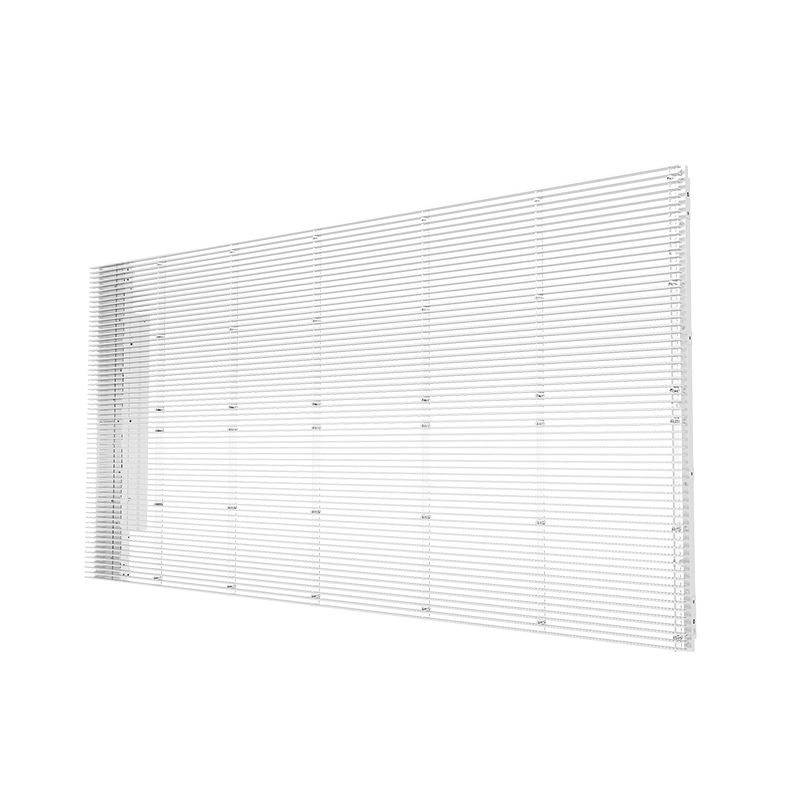
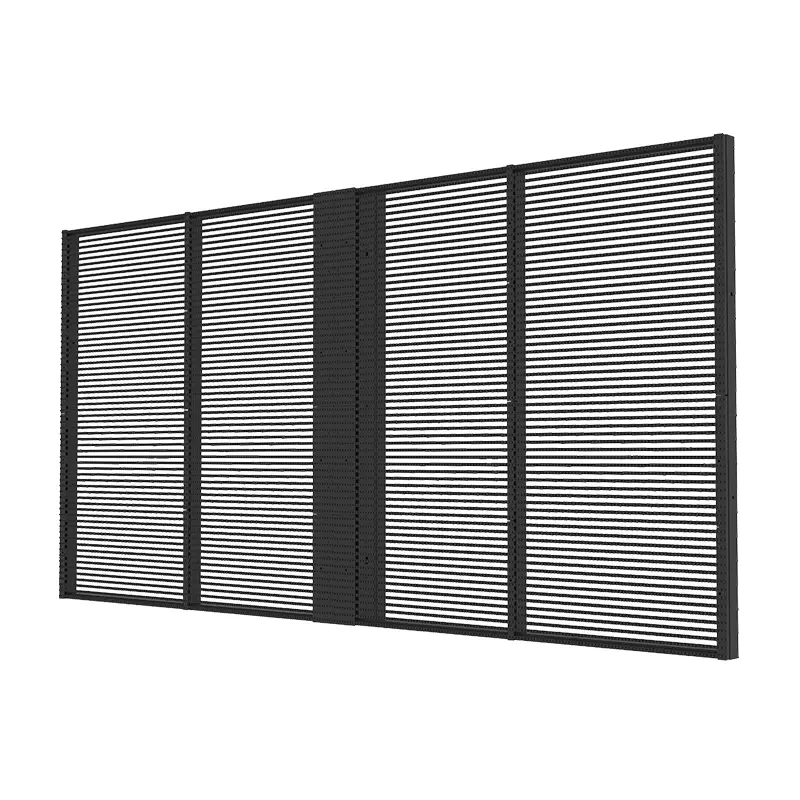
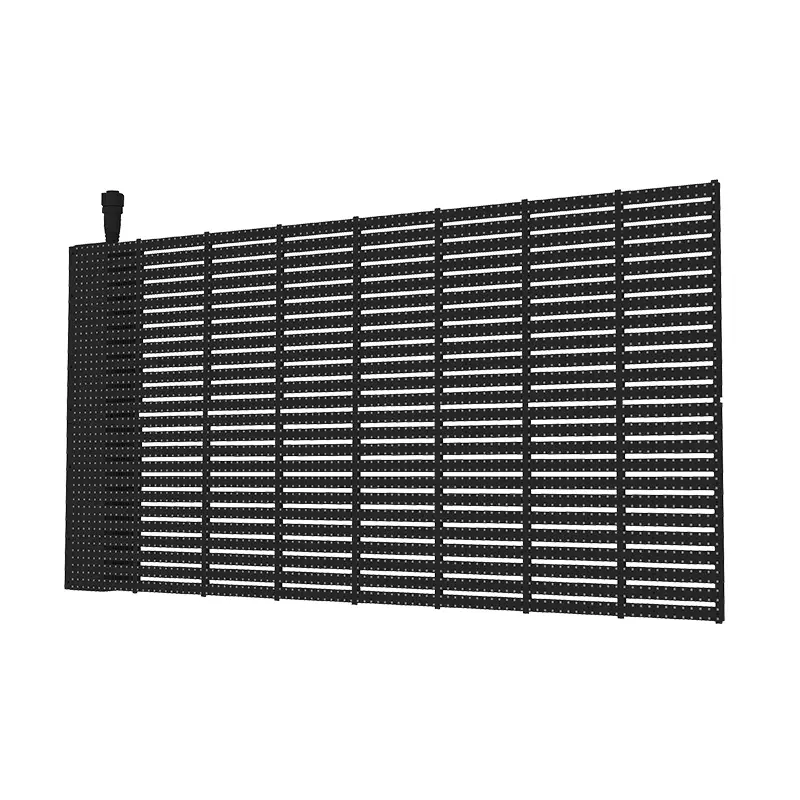
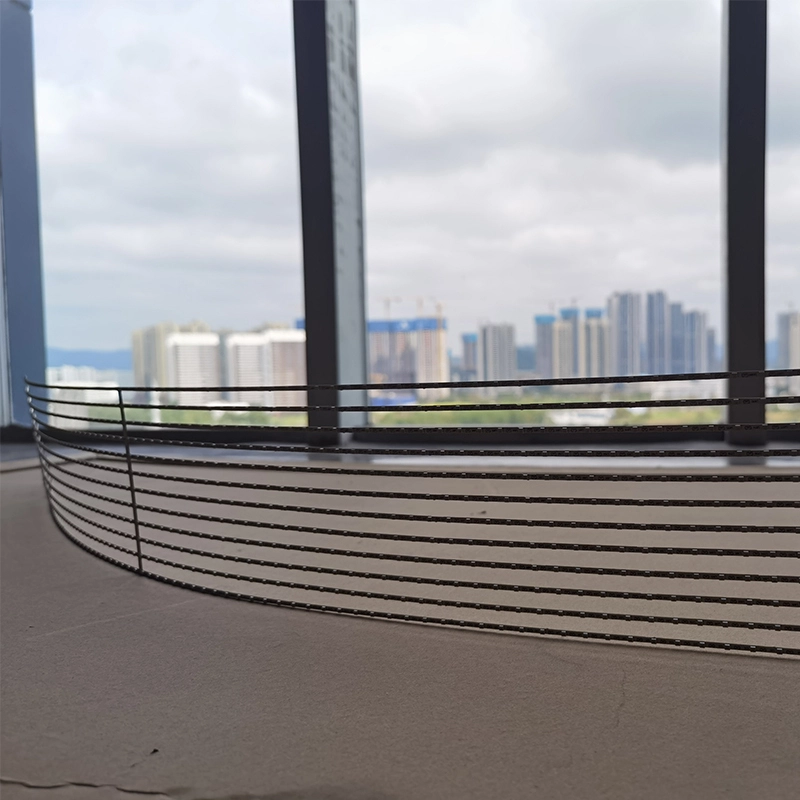
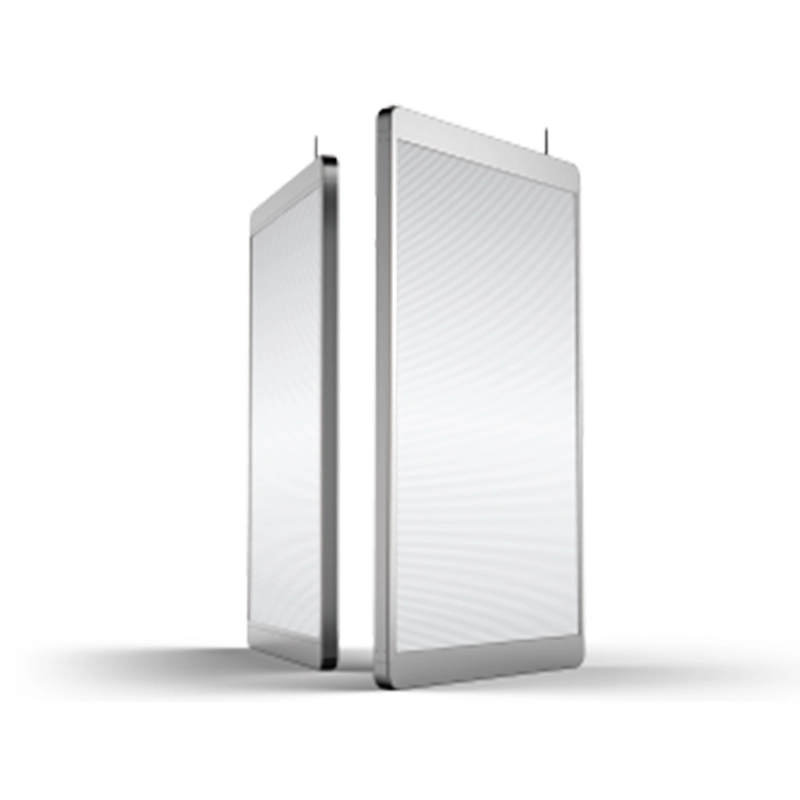
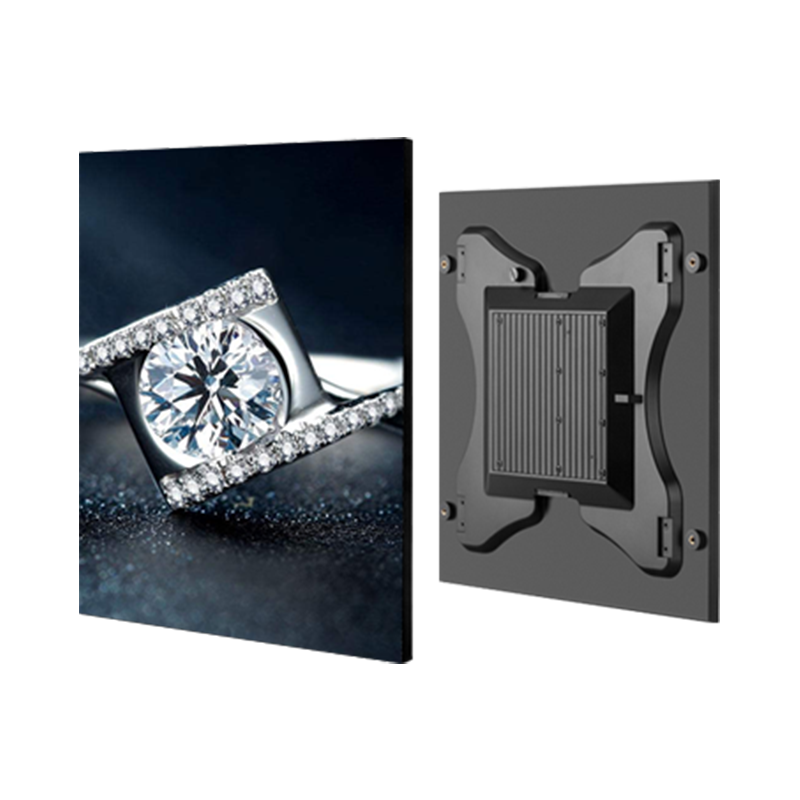
Luxury retail windows must present products, architecture, lighting, and digital content as one visual composition. A conventional LED wall can deliver strong images, but it may block the merchandise and natural sightlines behind the glass. A crystal LED screen provides a different approach by combining transparent display technology with dynamic advertising.
For a successful project, buyers should not select a screen based only on overall dimensions or quotation price. Transparency, brightness, pixel pitch, installation structure, control method, content format, and maintenance access must all match the storefront environment. YIPLED’s Crystal Series is designed for high-end retail and architectural applications, providing more than 50% light transmission, front-emitting LEDs, modular assembly, and several brightness configurations.
Start with the Retail Objective for the Crystal LED Screen
Before discussing technical specifications, define what the screen must achieve. A luxury fashion store may use slow-moving brand films, while a jewelry boutique may prioritize fine details, dark backgrounds, and controlled highlights. A flagship store facing a bright street may require much more output than a screen installed inside a shopping mall.
The project brief should identify:
Main viewing direction and typical viewing distance
Daytime and nighttime ambient light
Merchandise that must remain visible behind the screen
Display size and window proportions
Content type, resolution, and update frequency
Required operating hours
Installation and maintenance restrictions
The screen should support the physical window display rather than visually overpowering it. In many luxury projects, transparent areas in the content allow products, interior materials, and architectural lighting to remain part of the presentation.
Balance Transparency and Brightness in an LED Crystal Display
Transparency and brightness must be evaluated together. High transparency preserves the open appearance of the window, but the displayed image must still remain readable against reflections, daylight, and illuminated interiors.
The Crystal Series uses a front-emitting design and provides more than 50% light transmission. This allows viewers to see promotional content while retaining a view of products and the store interior. Available models offer different maximum brightness levels, ranging from lower-output indoor configurations to models rated up to 5,000 cd/m².
A lower-brightness LED crystal display may be appropriate for a controlled indoor environment, especially when dark content is displayed against subdued store lighting. Street-facing windows normally require a brighter configuration because the glass introduces reflections and the screen must compete with exterior light.
Brightness should not simply be set permanently at its maximum level. Excessive output can make luxury content appear harsh, increase power consumption, and create glare after dark. A commissioning plan should include separate daytime, evening, and closed-store brightness settings.
Choose Pixel Pitch According to Viewing Distance and Content
Pixel pitch influences image detail, viewing distance, transparency, and cost. A smaller pitch generally produces finer images at close range, but it also introduces more LED components into the viewing area.
YIPLED’s Crystal Series models use a 3.96 × 7.81 mm pixel arrangement. The listed pixel density varies slightly by model, with configurations around 32,000 pixels per square meter. This specification is intended to balance transparent construction with the image definition required for retail advertising.
The content strategy should be considered when evaluating resolution. Large logos, typography, silhouettes, product films, and motion graphics normally perform well on transparent screens. Very small text, thin lines, and highly detailed static images may be less effective, particularly when viewed through reflective storefront glass.
A full-size content test is preferable to judging image quality from a desktop rendering. The test should use the intended viewing distance, actual window glass, representative lighting, and final media files.
Size the Crystal LED Screen Around the Window Architecture
The display should follow the architectural proportions of the storefront rather than being treated as a separate rectangular object. Confirm the visible glass area, mullion locations, ceiling height, structural fixing points, power access, and any doors or emergency routes.
The Crystal Series is available in standard dimensions of 1,000 × 500 mm and 1,000 × 1,000 mm, with custom sizing support for project-specific installations. Its modular, steel-free structure is designed to support flexible assembly without requiring a heavy conventional cabinet framework.
When developing the layout, account for:
| Design factor | Specification question |
|---|
| Screen position | Will it be suspended, wall-mounted, or fixed behind the glass? |
| Window structure | Do mullions interrupt the visible display area? |
| Viewing angle | Can pedestrians see the content from both directions? |
| Clearance | Is there enough space for installation and ventilation? |
| Maintenance | Can modules, power components, and cables be reached safely? |
| Screen ratio | Does the final canvas match the planned content format? |
The selected position must also avoid interfering with sprinklers, lighting tracks, security devices, and daily merchandise changes.
Plan Content Control and Wireless Operation
A retail display becomes difficult to manage when every update requires technical staff or physical access to the controller. Content workflows should therefore be discussed during specification, not after installation.
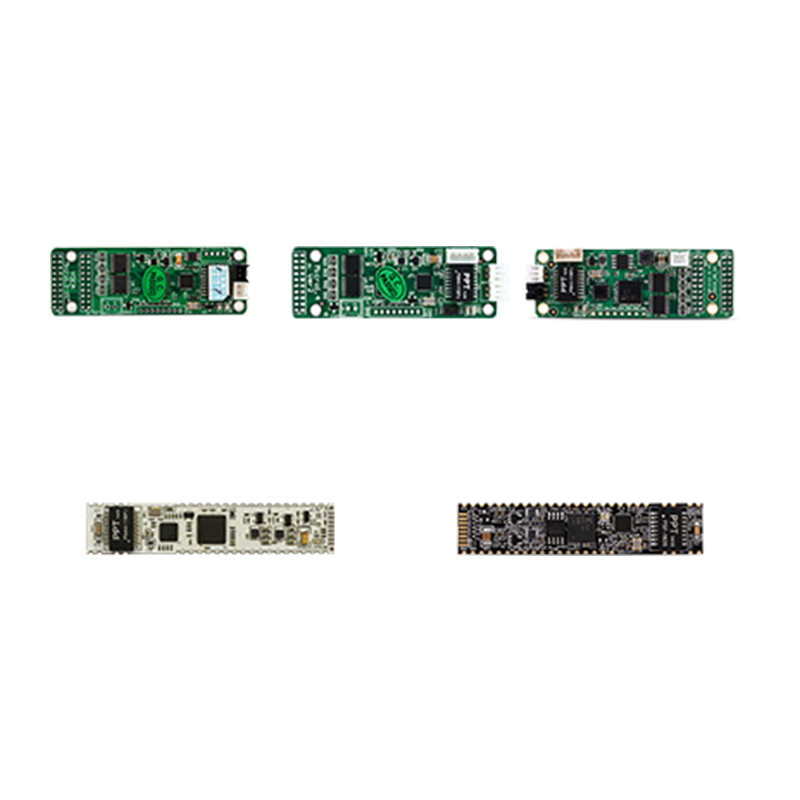
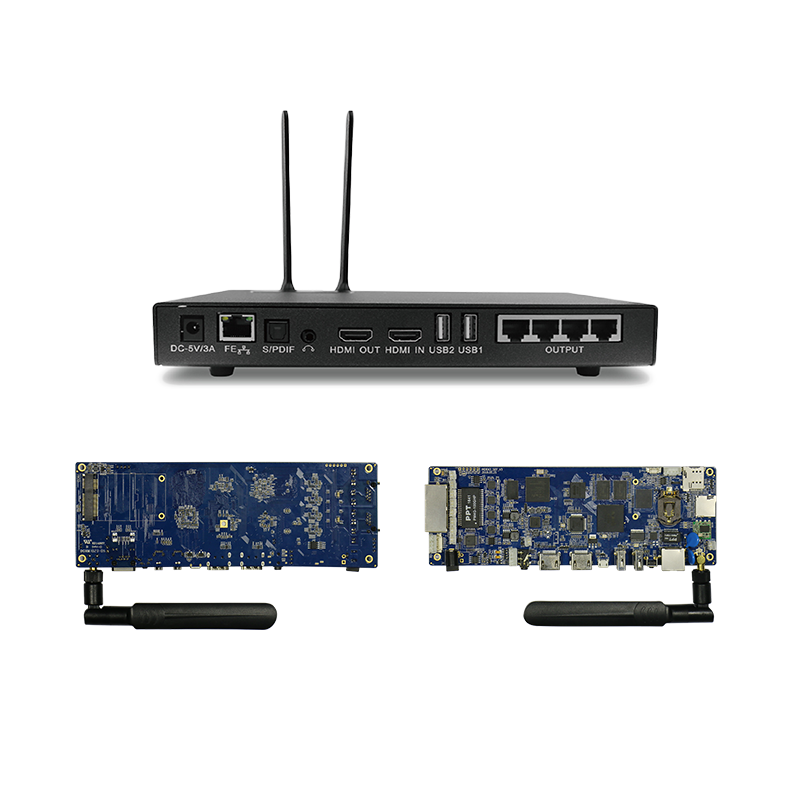
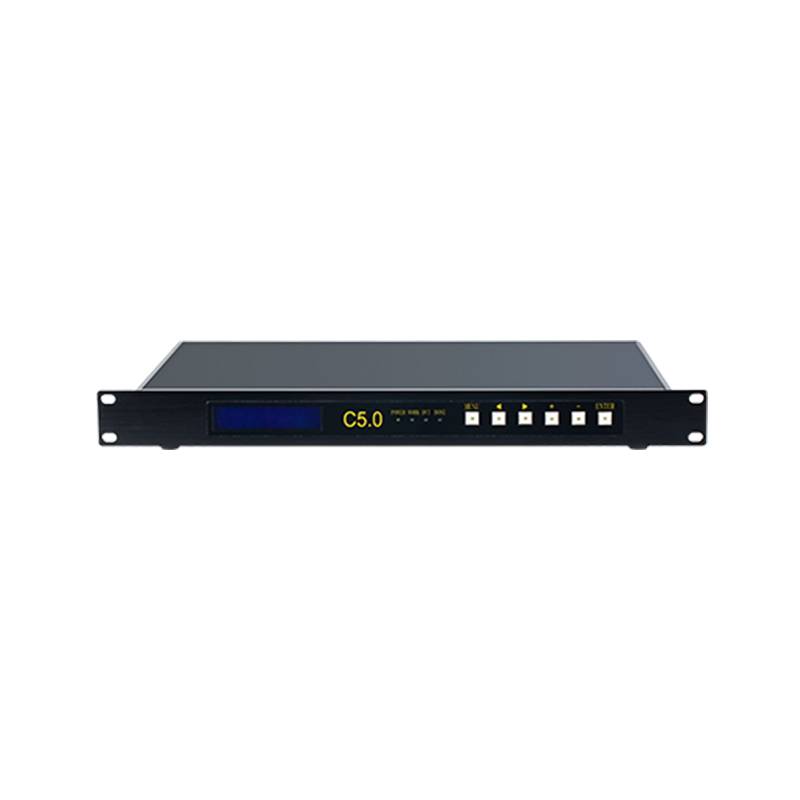
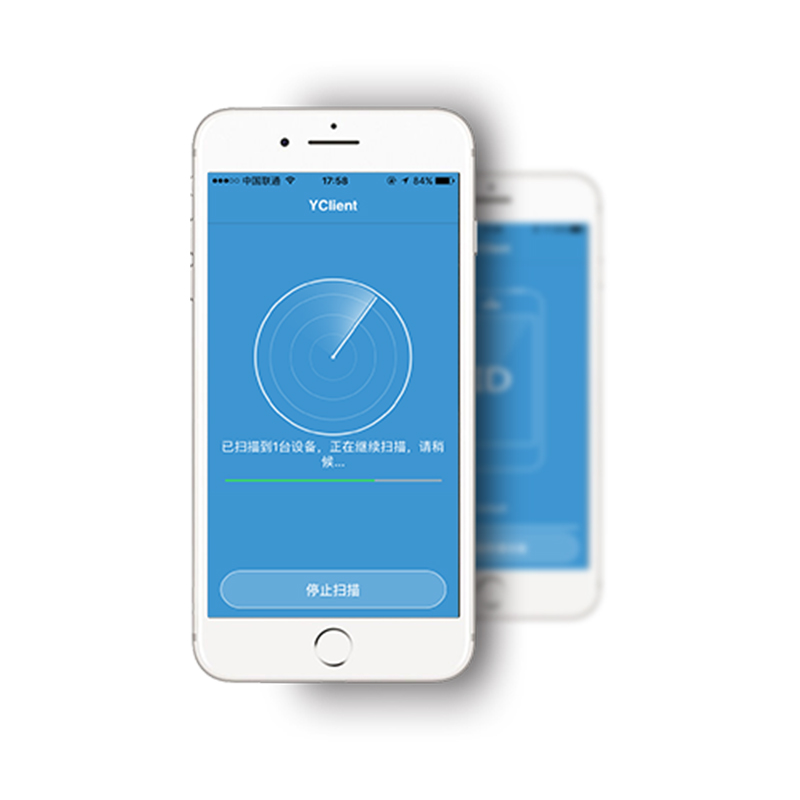
The Crystal Series supports app-based control and wireless synchronization across multiple devices. Videos and images can be shared from smartphones, which can simplify content changes and interactive retail campaigns.
For a single boutique, local app control may be sufficient. A brand operating several stores may require centralized scheduling, approval workflows, synchronized campaigns, and user-permission management. Buyers should confirm whether the control system can support the intended number of screens, media formats, playlists, operating schedules, and remote support procedures.
Content should be designed specifically for transparent display. Dark or black areas can visually disappear, allowing merchandise to remain visible, while bright graphic elements appear to float in front of the products.
Evaluate a Wholesale Transparent LED Display Supplier
For multi-store rollouts, selecting a wholesale transparent LED display solution involves more than securing a unit price. Consistency between batches, replacement availability, control-system compatibility, packaging, documentation, and technical support all affect the long-term project cost.
Before ordering, provide the supplier with window drawings, photographs, glass dimensions, viewing distance, ambient-light conditions, installation method, electrical requirements, and content expectations. Request confirmation of the selected model, brightness, refresh rate, panel configuration, power demand, control equipment, spare-parts package, and maintenance method.
YIPLED offers Crystal Series configurations with model-dependent refresh rates of up to 3,840 Hz and indoor IP20 protection. The correct model should be confirmed according to the lighting environment, filming requirements, and installation conditions of each store.
FAQ About Crystal LED Screens for Retail Windows
Is a crystal LED screen suitable for a street-facing store window?
Yes. A sufficiently bright model can display promotional content through storefront glass while maintaining visibility into the store. Ambient light and reflections should be tested before final selection.
Will the LED crystal display block the products behind it?
It will partially affect the view, but a transparent design preserves more sightline than a conventional LED wall. Content with large transparent areas further reduces visual obstruction.
What brightness is required for a luxury retail window?
The requirement depends on daylight, glass reflection, window orientation, and interior lighting. Street-facing installations generally require higher brightness than mall interiors.
Can the screen size be customized?
Yes. Standard Crystal Series dimensions include 1,000 × 500 mm and 1,000 × 1,000 mm, while custom sizing can be discussed for specific window layouts.
Can several stores display synchronized content?
The product supports wireless synchronization, but the complete control architecture should be confirmed according to the number of locations and the brand’s content-management workflow.
Conclusion
Specifying a crystal LED screen for a luxury retail window requires a coordinated review of transparency, brightness, pixel pitch, dimensions, installation, control, and content design. The best result is not necessarily the largest or brightest screen, but the configuration that strengthens the brand presentation while keeping products and store architecture visible.
By reviewing storefront drawings, lighting conditions, viewing distance, and campaign requirements, YIPLED can recommend a Crystal Series configuration for a single flagship window or a wider retail rollout.